
Inspection · Rome, Italy
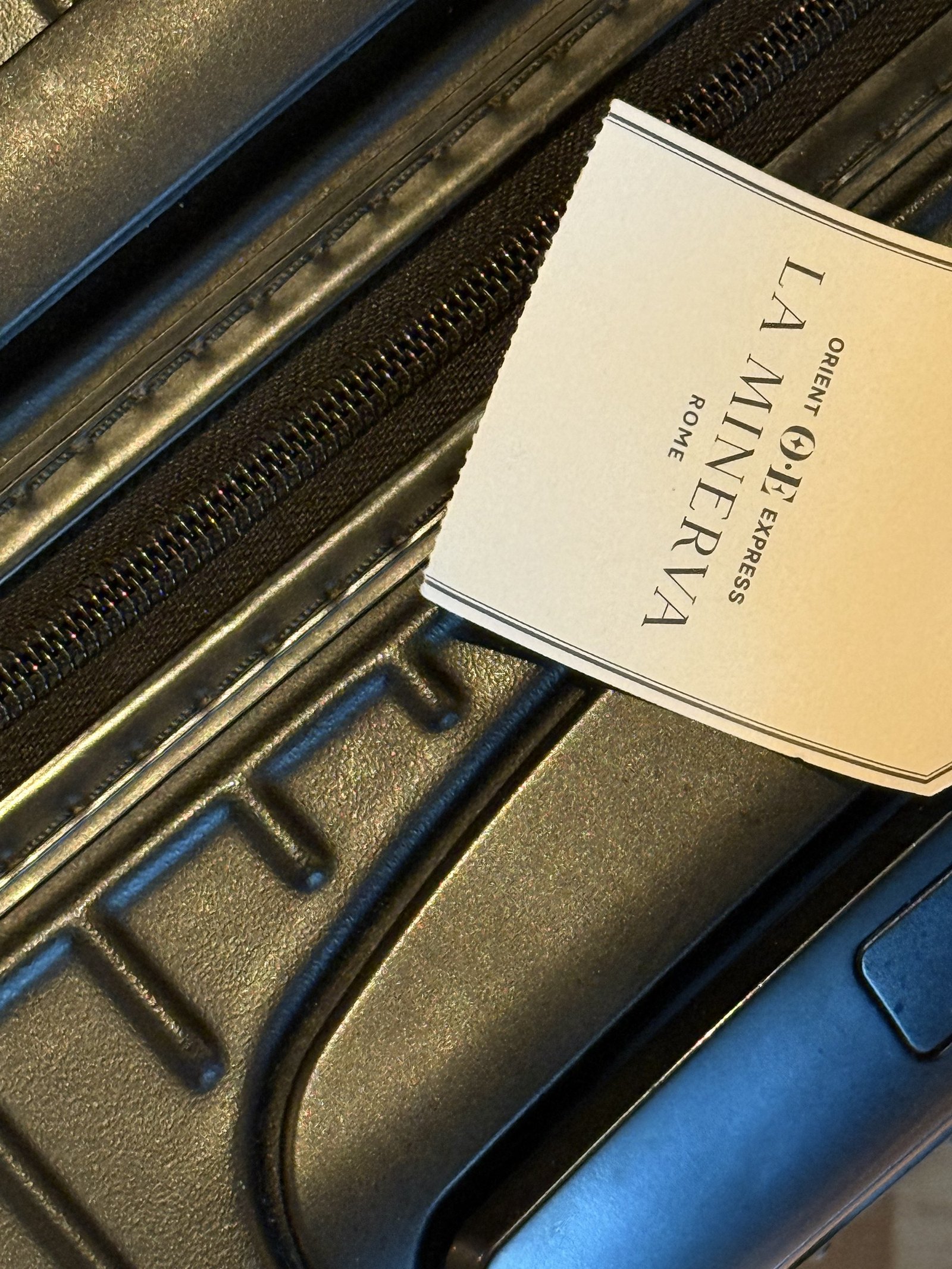
Orient Express La Minerva
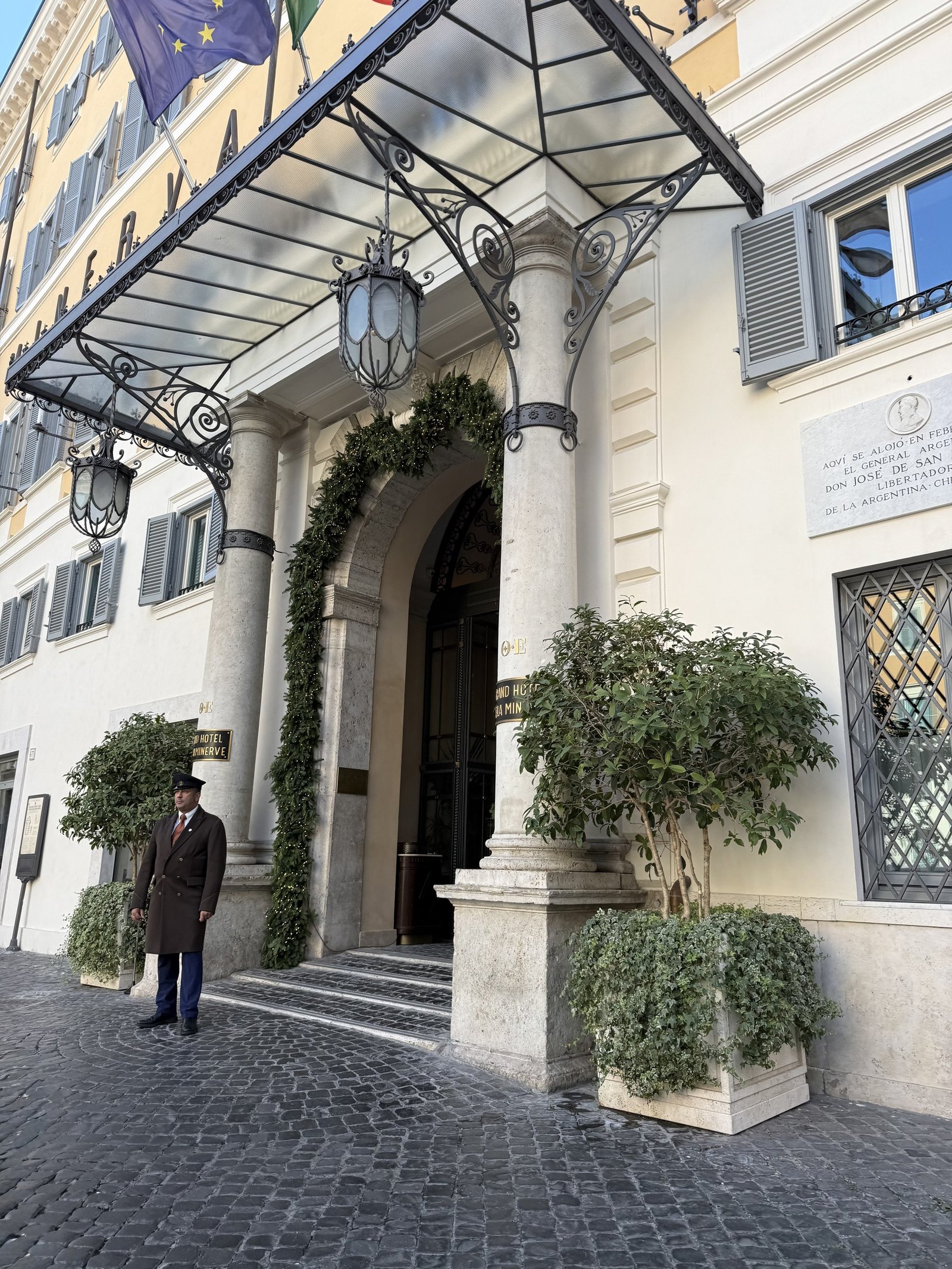
The old Hotel de la Minerve under a new name, with the Pantheon on one side of the roof and half of Rome on the other.
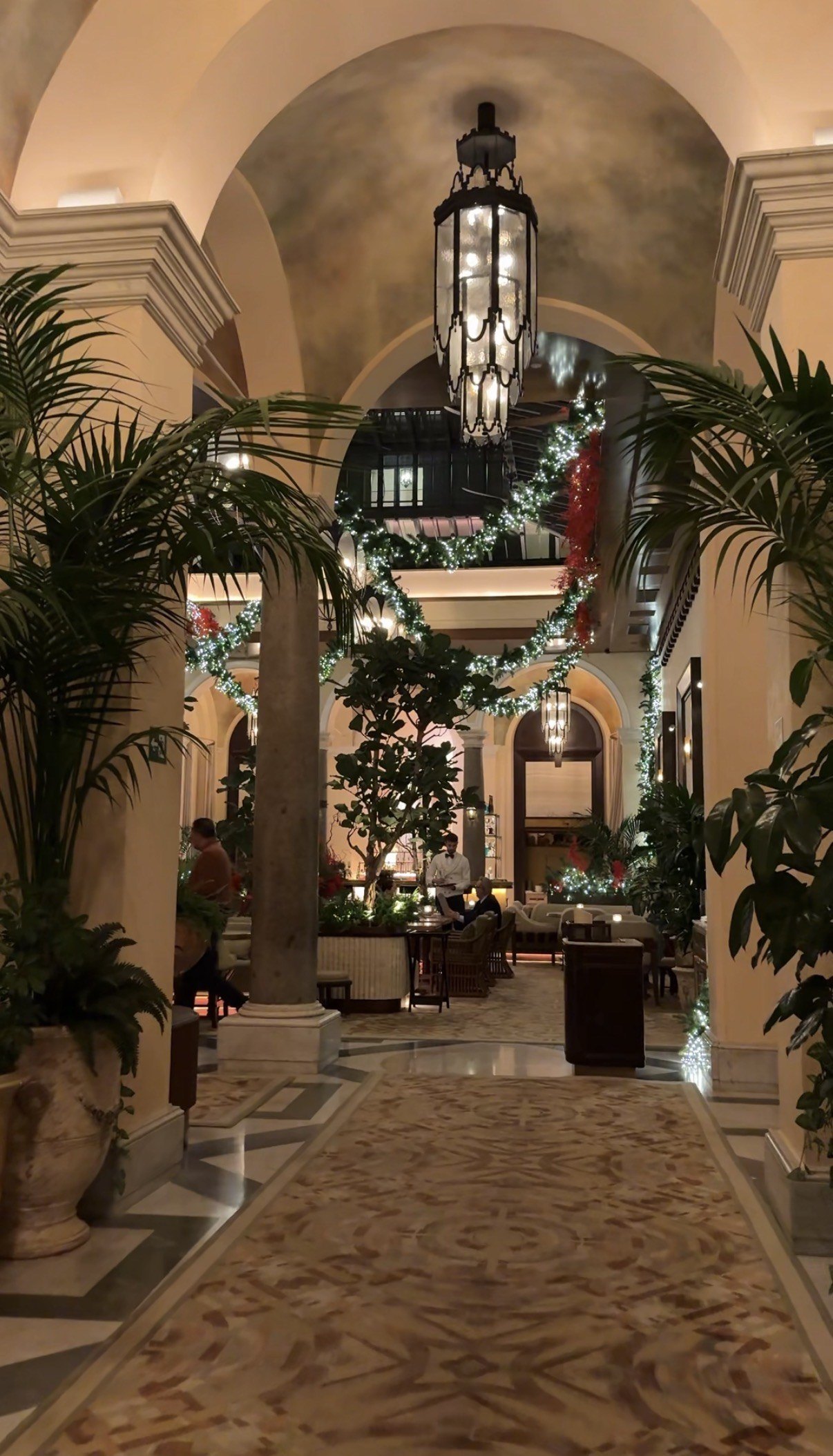
Book La Minerva with me, through Classic Travel Register first, free of charge, and the rates and partner benefits open up, with the account linked to Wheresnik. Tell me your dates before you book and I will say which room to ask for here, and which week I would avoid.I had slept in this building before, a long time ago, when it was the Hotel de la Minerve. That is the part I was not expecting to matter and it turned out to be the whole stay. An address can be emptied, rebuilt and renamed, and it usually loses whatever it had. This one kept some of its people. There are faces in the dining room that were here under the old name, and after a day or two you start asking them things, and they answer with twenty years behind the answer. No design brief buys that.
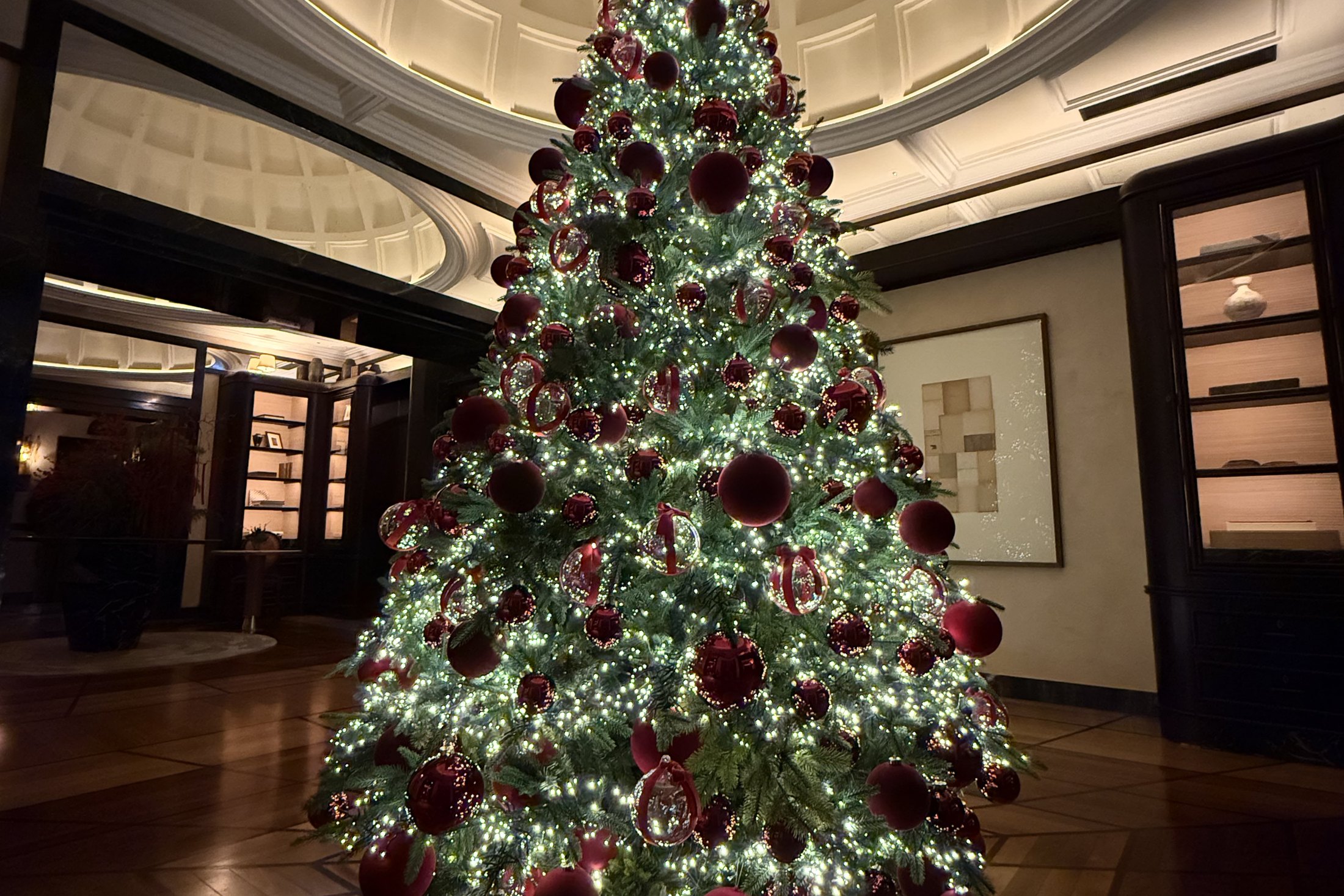
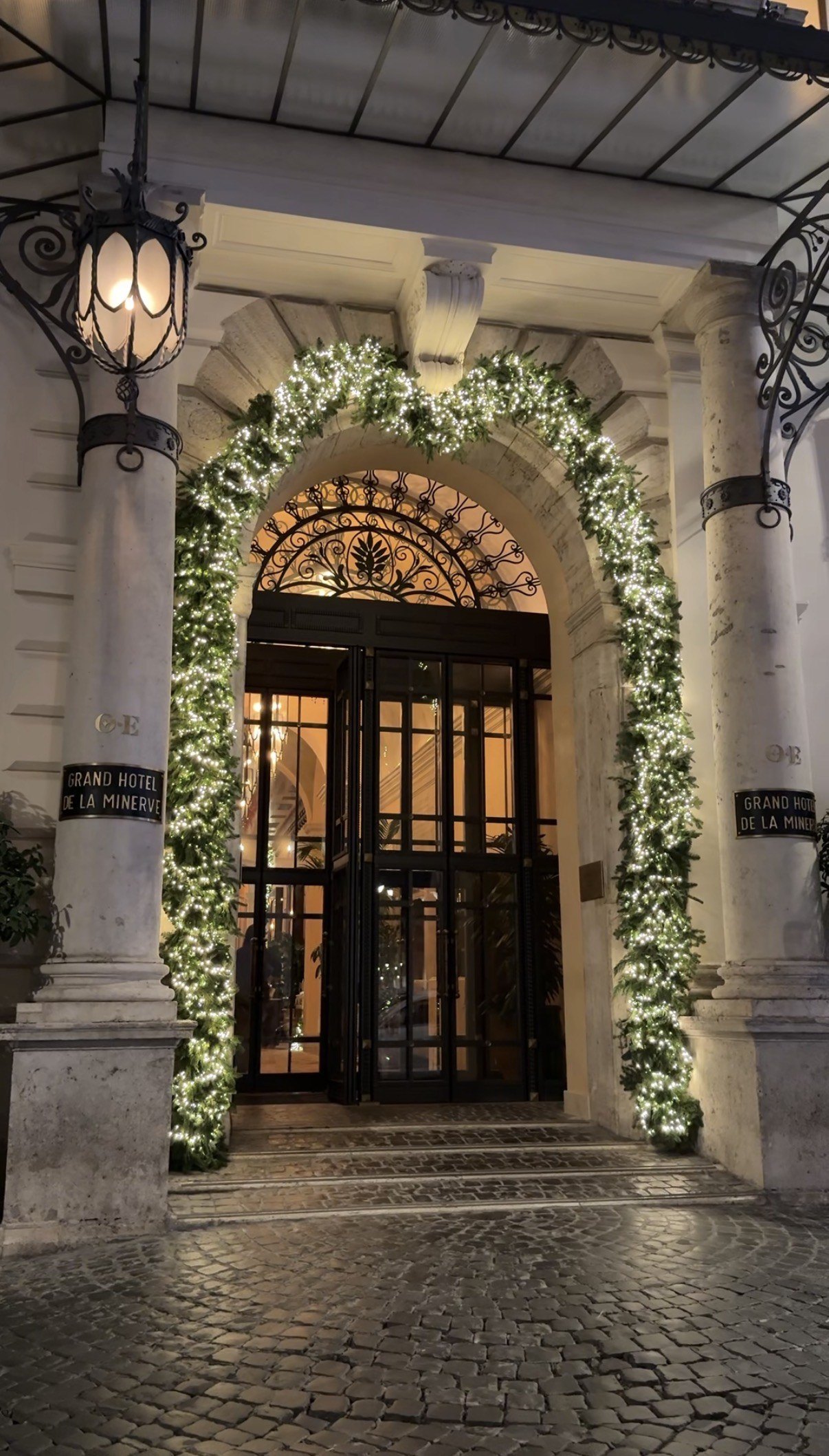
It reopened as the first hotel under the Orient Express name, which is a lot of attention to carry for a building that until recently was simply a good old Roman hotel. I went in the third week of November, when the place was already dressed for Christmas and the air outside was soft enough to have lunch in the open and to sit on the roof after dinner. Anyone who has only seen Rome in August will not believe that last part.
The building
It helps enormously that this was already a hotel. A palazzo converted from a private house fights its own corridors forever, with rooms of twelve different shapes and a service route that never quite works. Here the bones were right to begin with, and what the renovation did was reorganise them, so the spaces read as modern and efficient while the building underneath stays Roman.
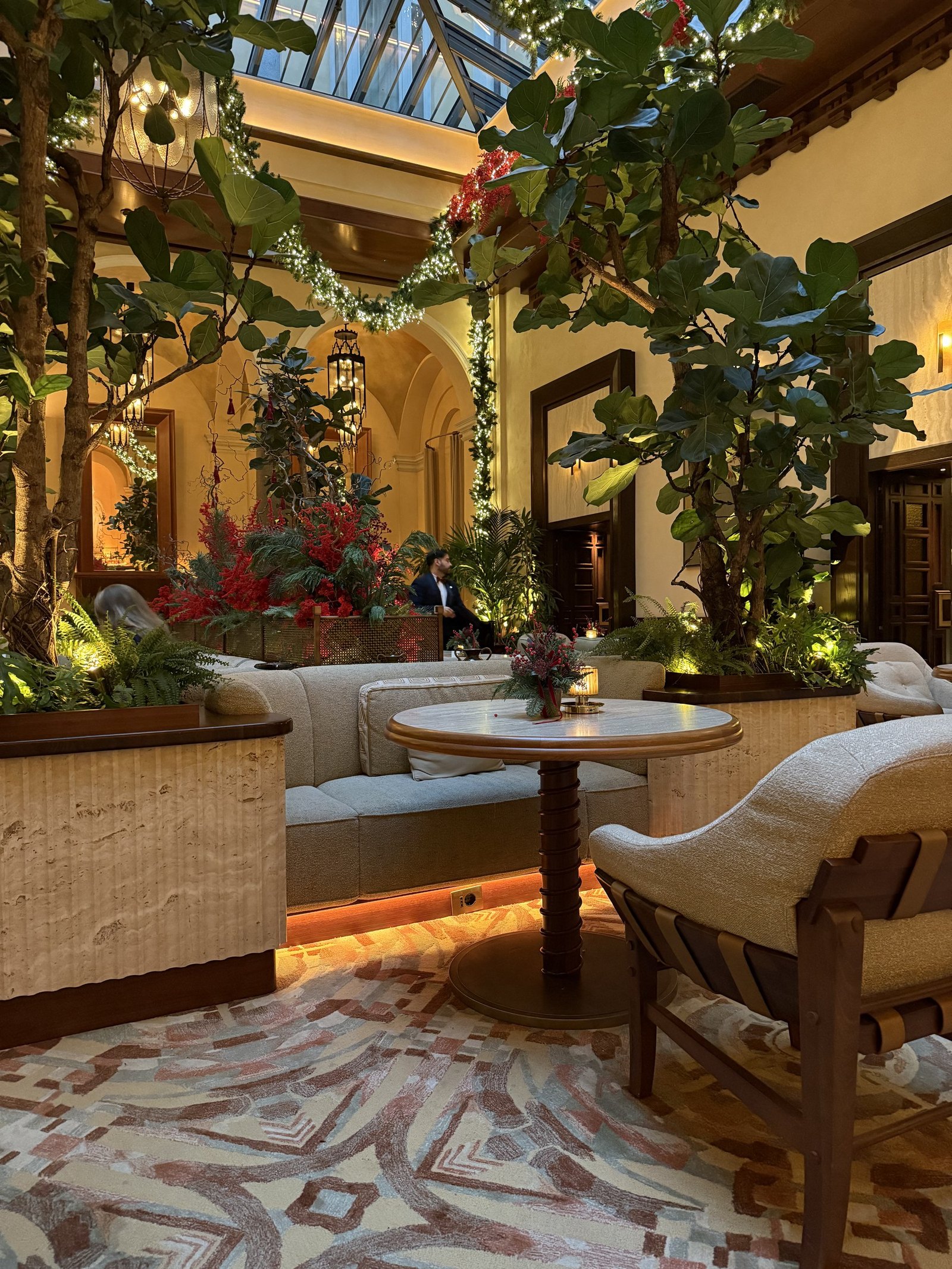
I apply one test to a converted building with restaurants in it, and I apply it in the corridor outside the rooms. Everyone tries it in the lobby, which proves nothing. The test is whether you can smell the kitchens. A good number of serious hotels in old buildings fail it, and the failure is permanent because it was designed in. Here I never caught it once, in the corridors or in either room. It is a dull, expensive problem, and somebody solved it before anyone chose a fabric.
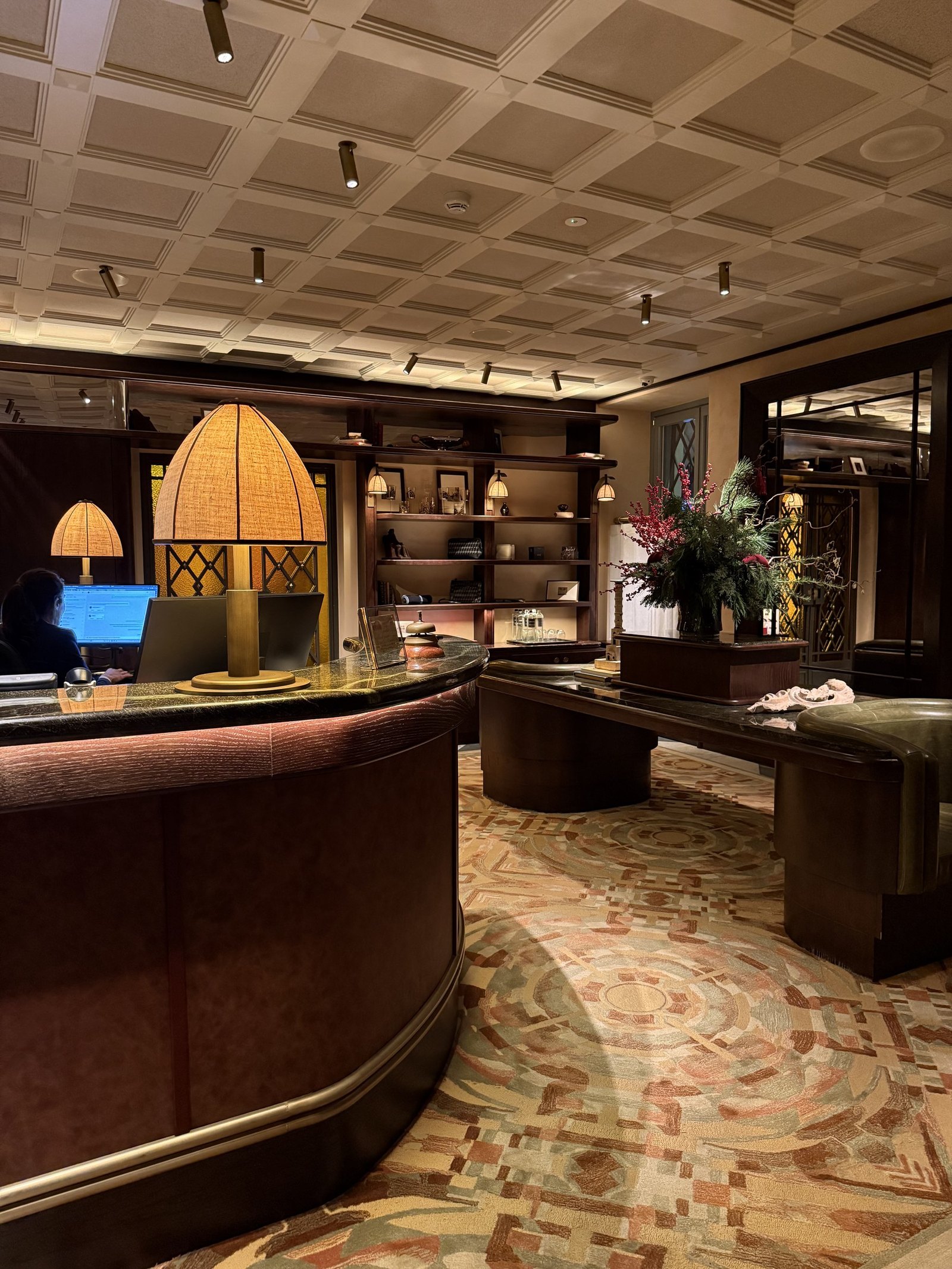
Check-in was the other surprise, in that it was slow in the way you want. Nothing was processed. The welcome waiting upstairs was the most generous I have had in Italy, and I am deliberately not describing it, because half of its effect is that you do not know it is coming.
The rooms
I had two on the same stay, which almost never happens and which makes this the one part of the piece where I can compare properly. A Grand Deluxe looking sideways, and a Junior Suite over Piazza della Minerva.
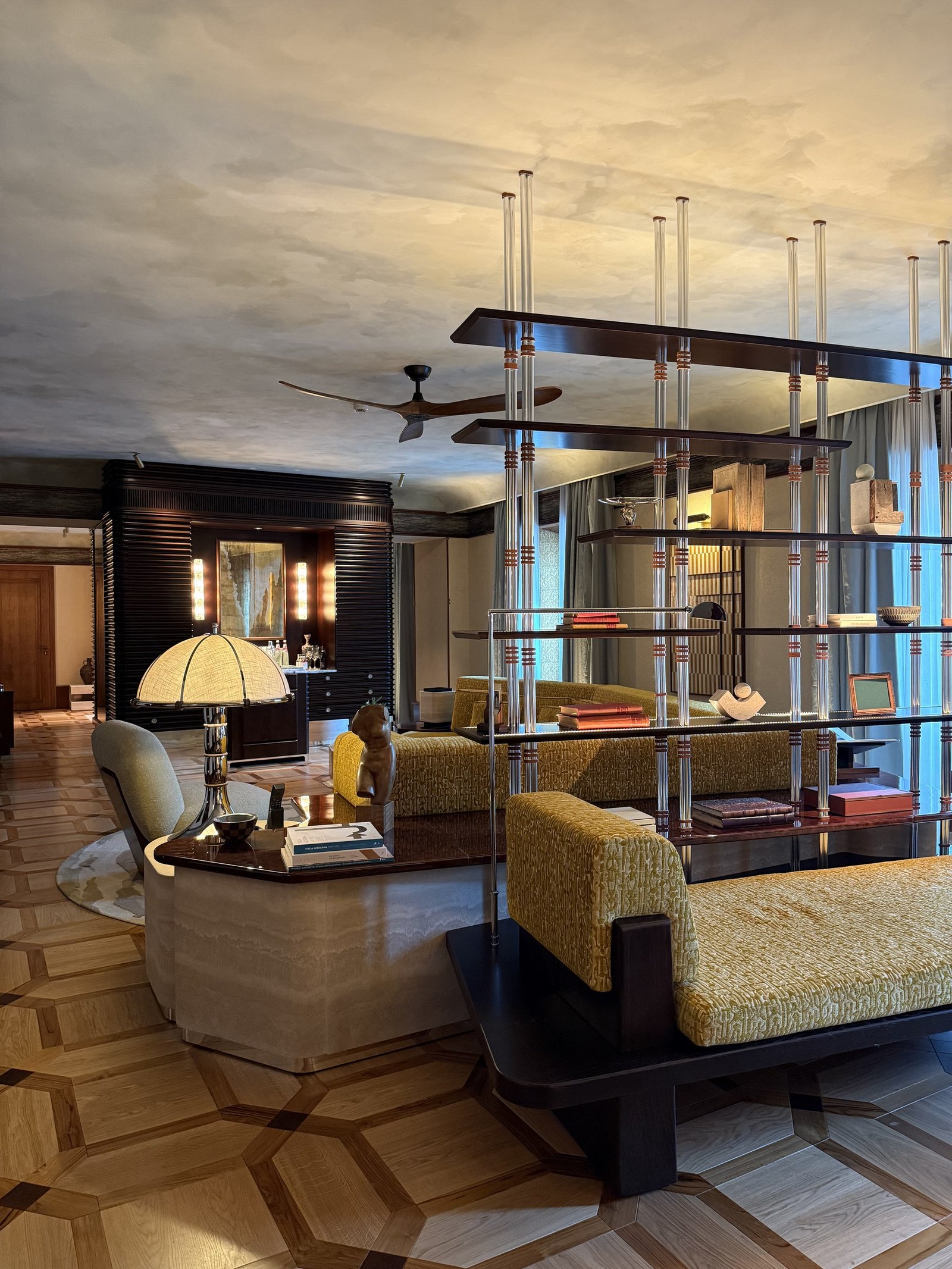
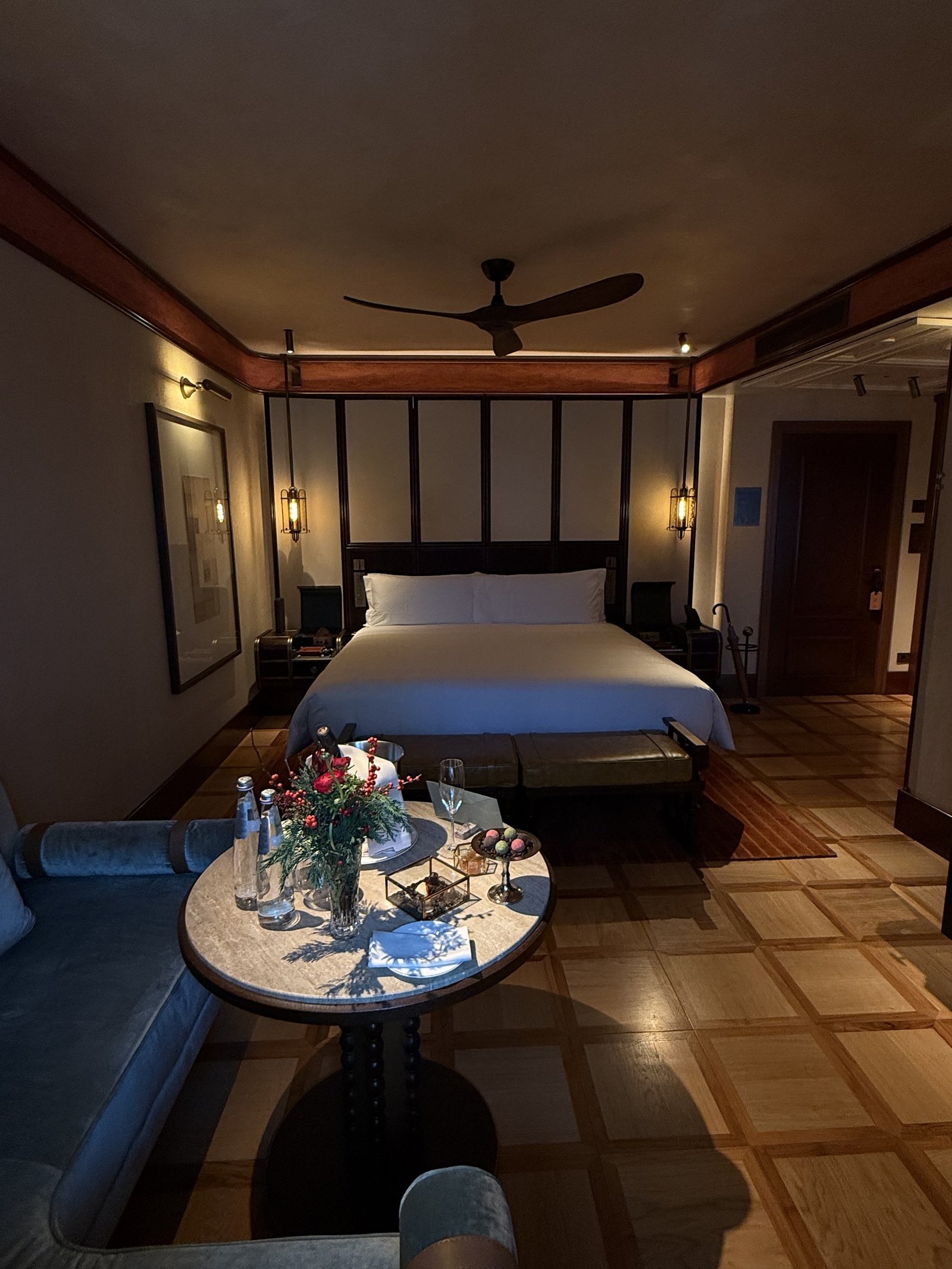
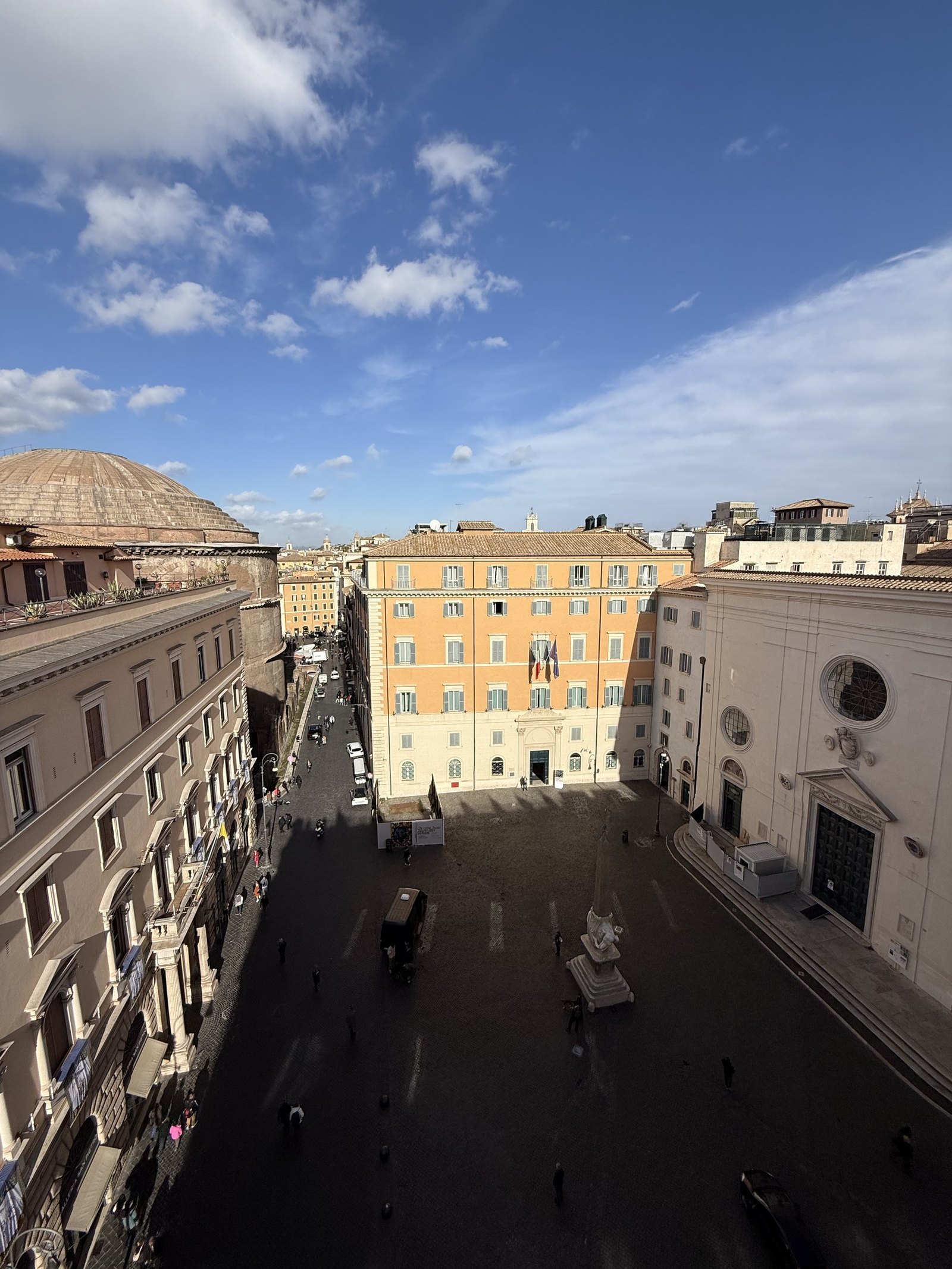
The suite has what you came to Rome for. You open the shutters and the square is there, the obelisk with the elephant under it, the side of the Pantheon a few steps away, and the whole thing is in use from early until very late. That is the trade. The piazza never fully stops, and the rubbish trucks arrive when they arrive.
The Grand Deluxe gives that up and gives you the night back. The soundproofing throughout is better than the location has any right to allow, and across both rooms I never heard a neighbour, a corridor or a door. What you hear is the city itself, and only if you are facing it.
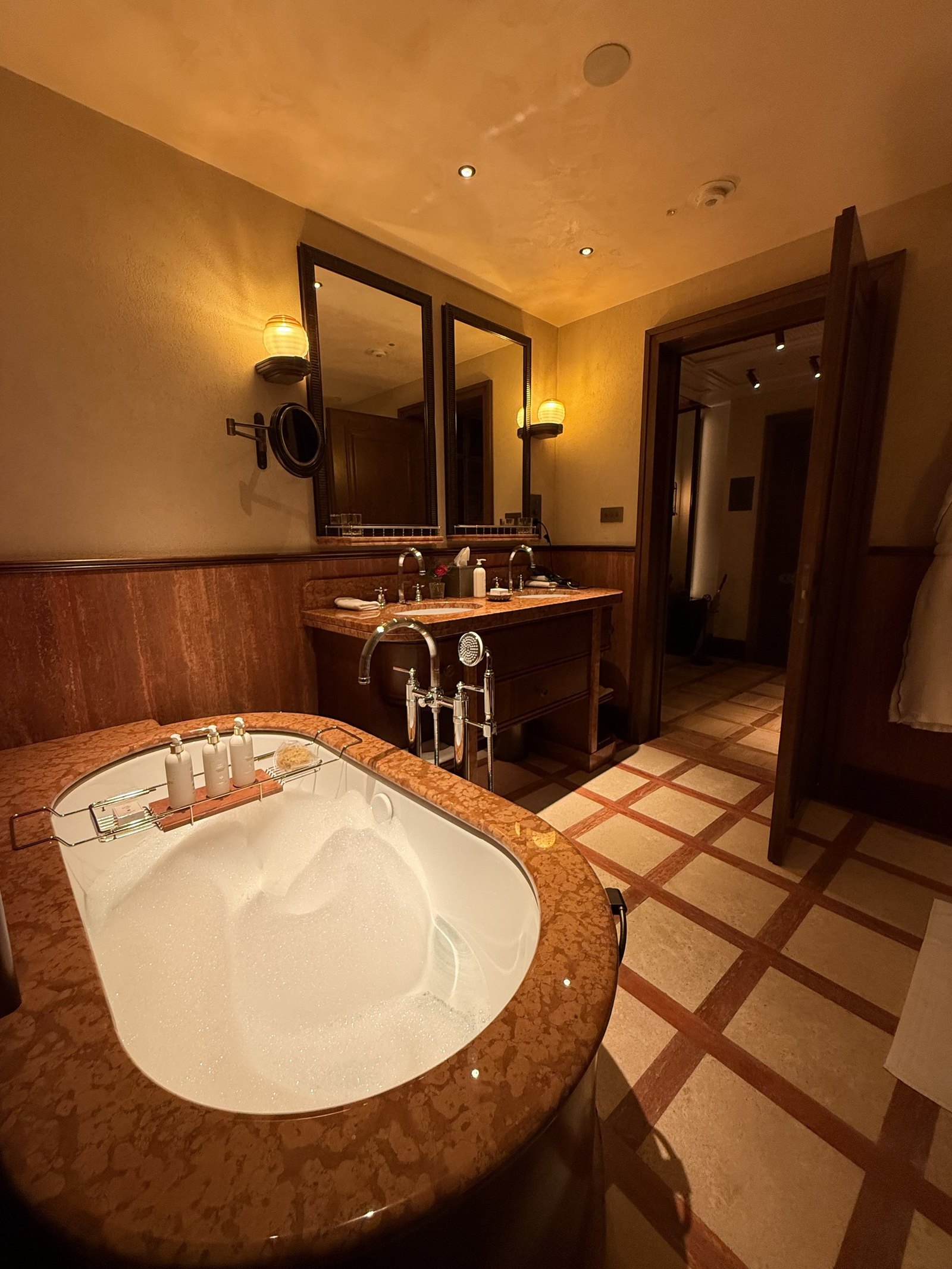
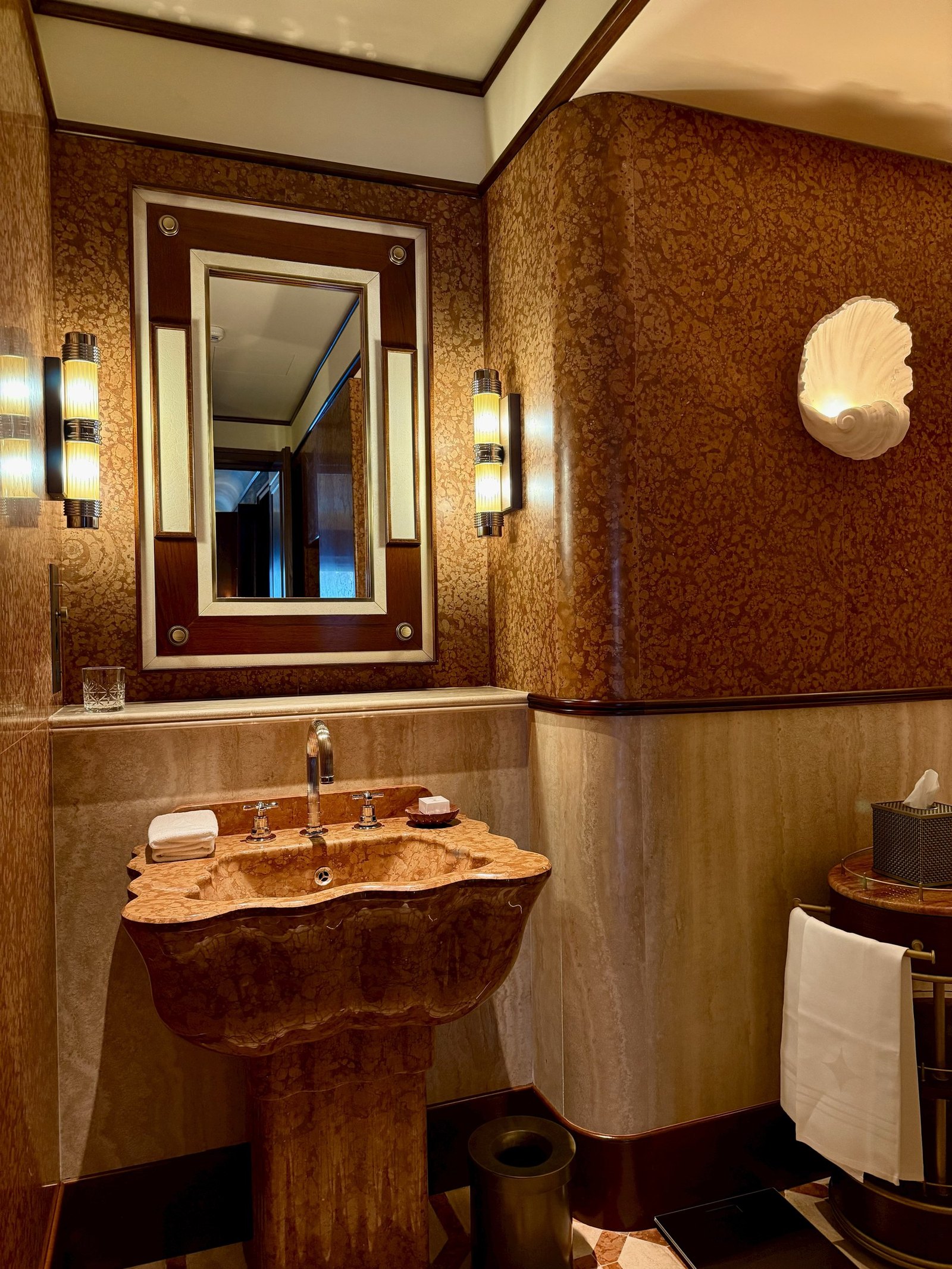
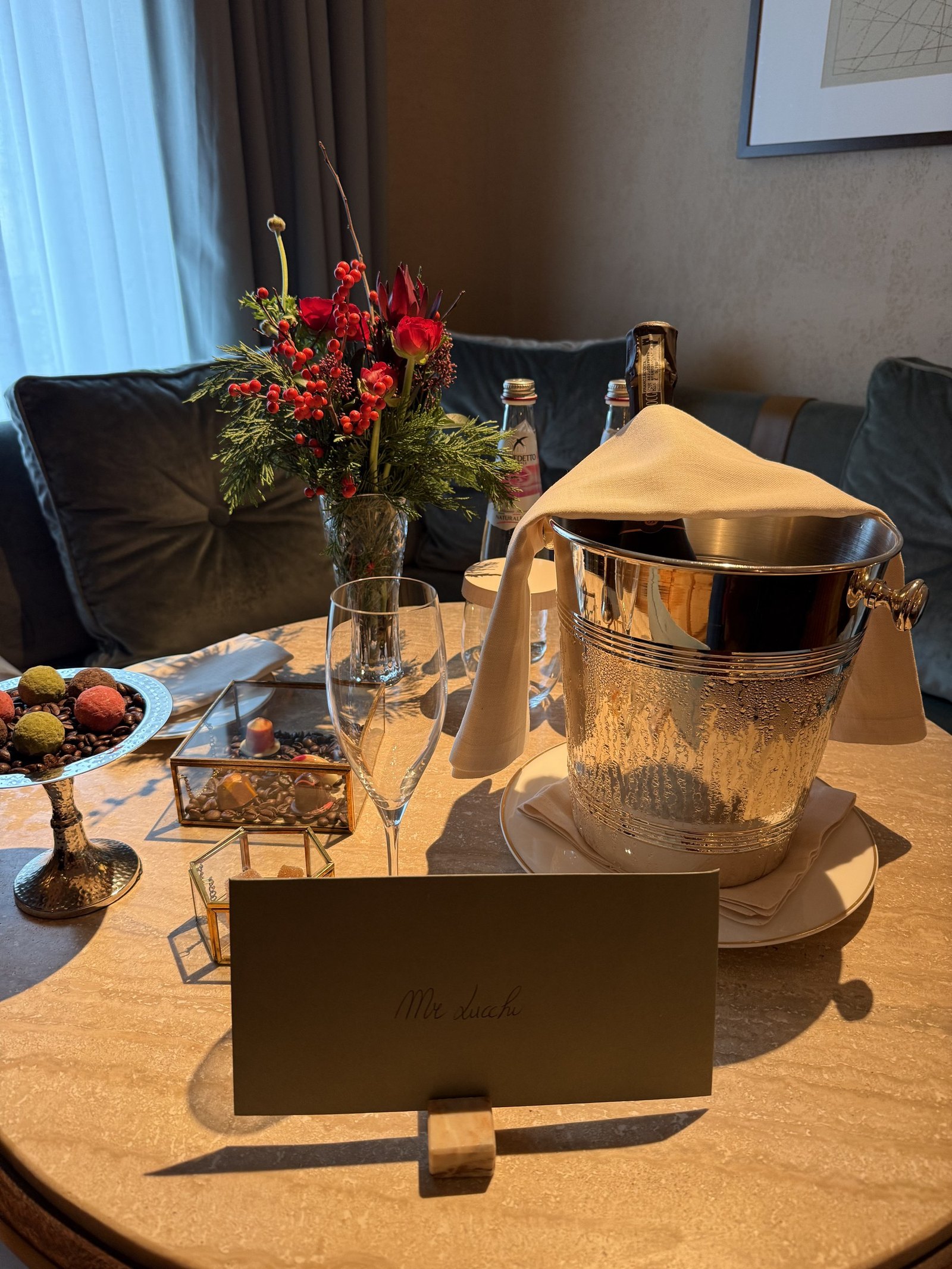
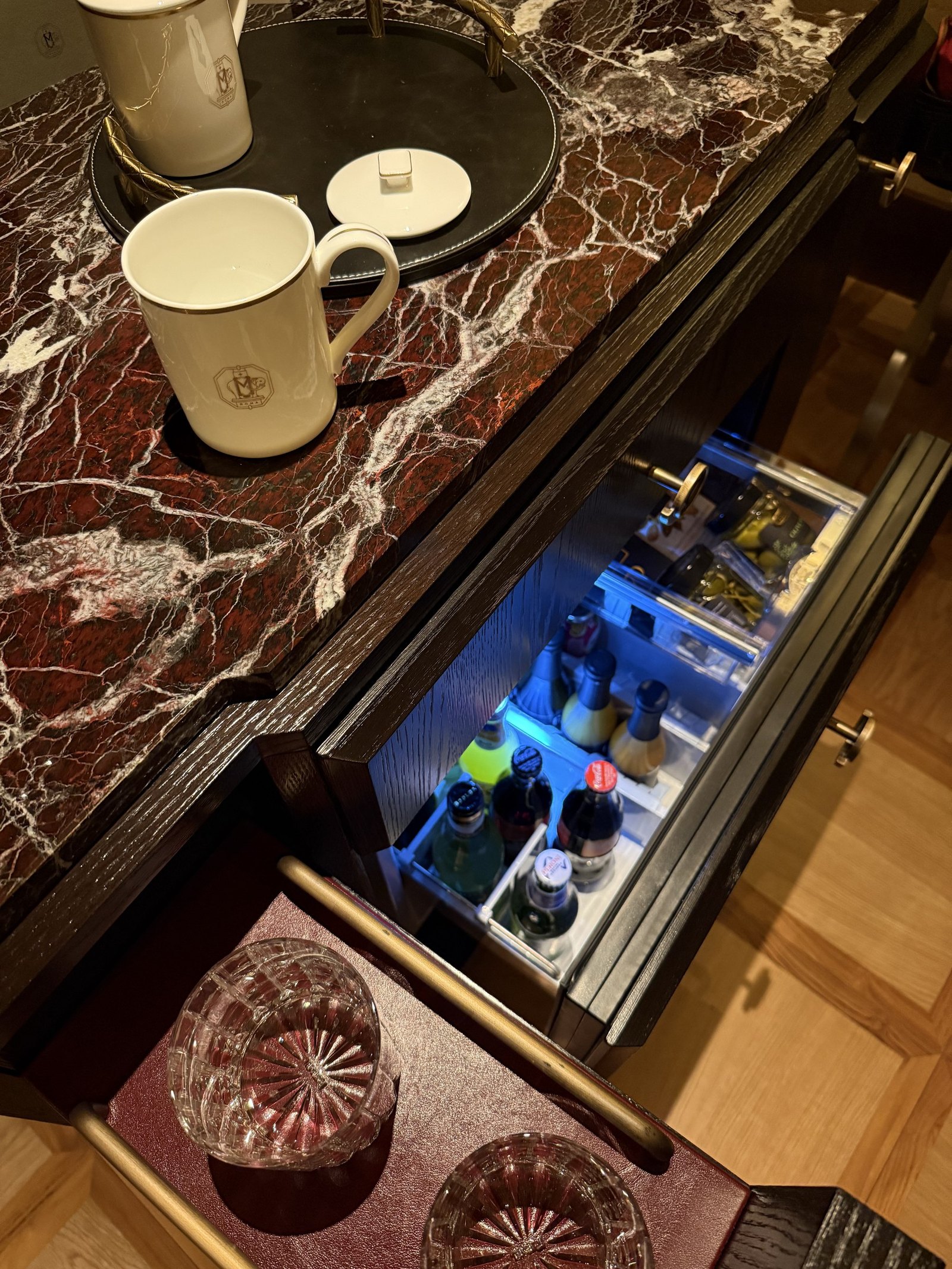
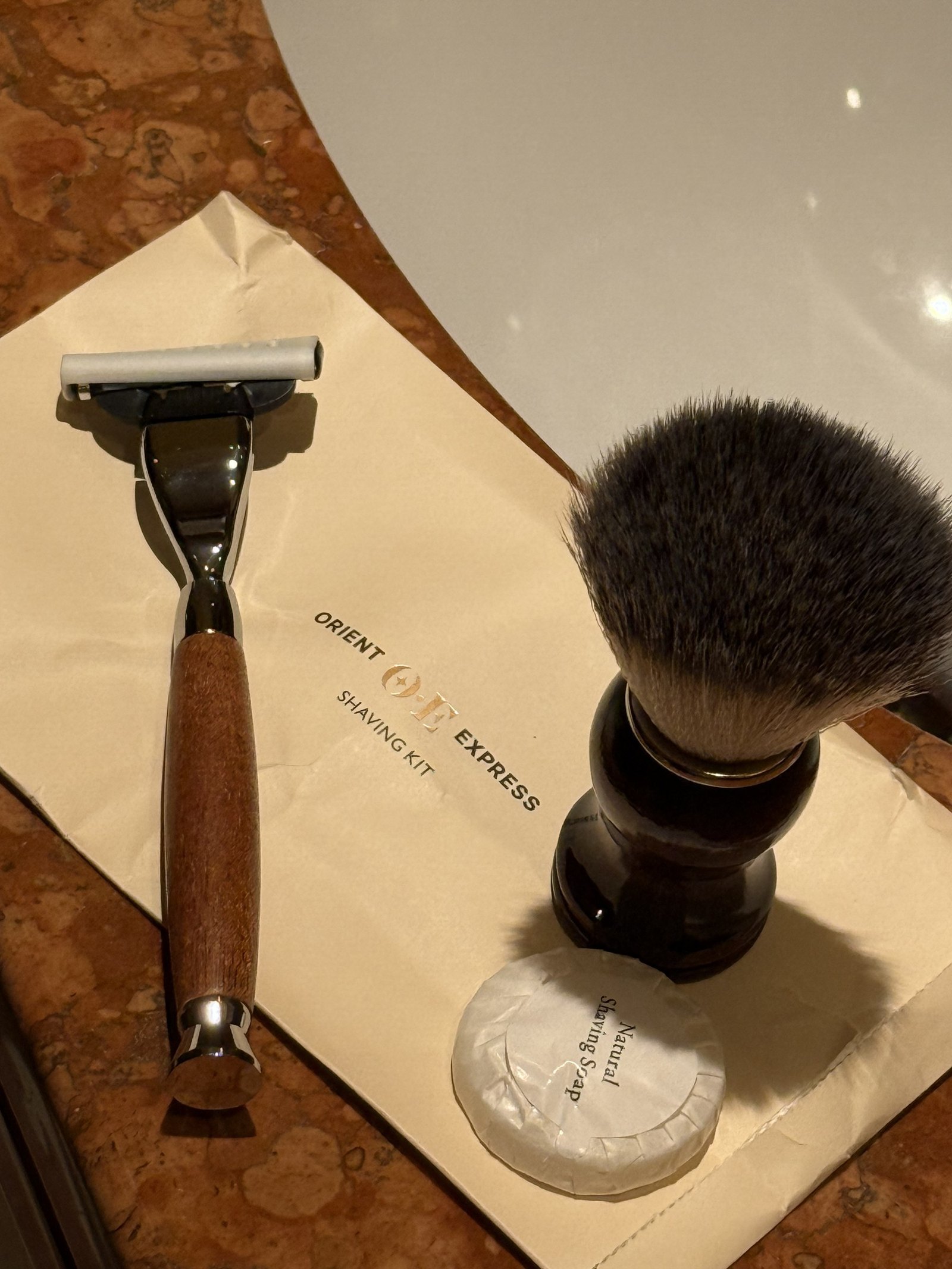
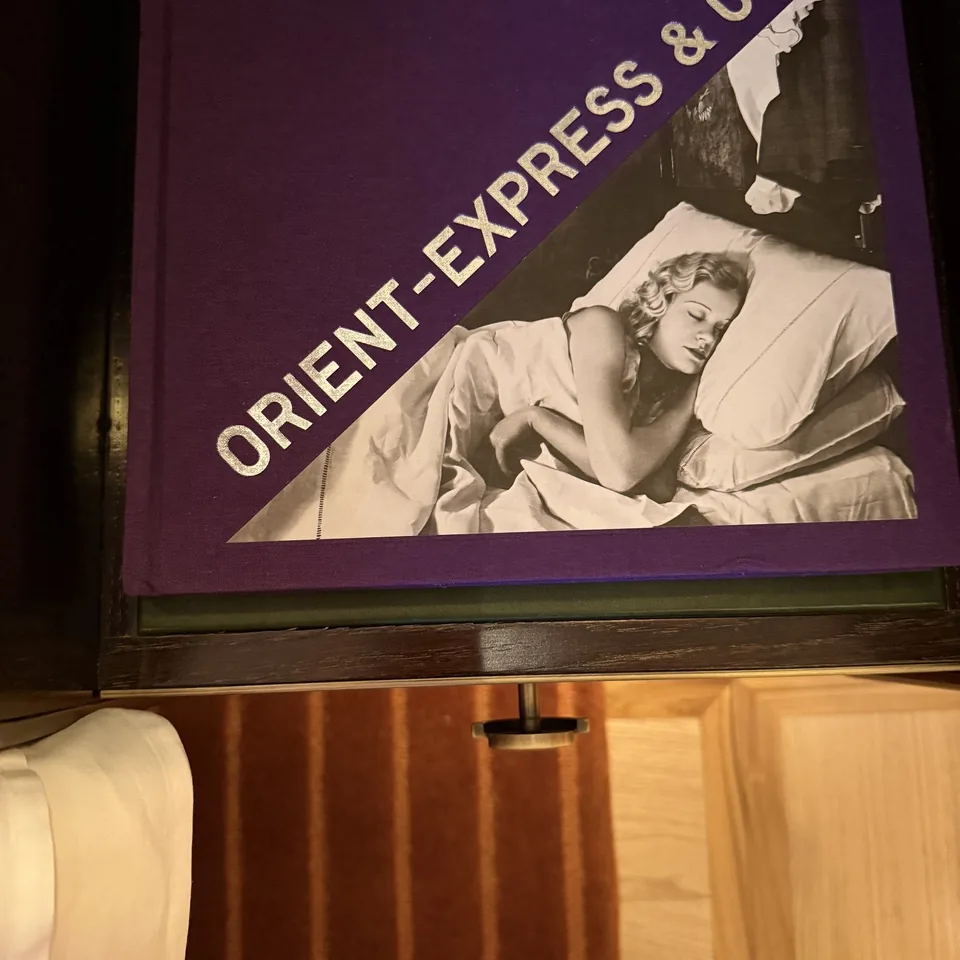
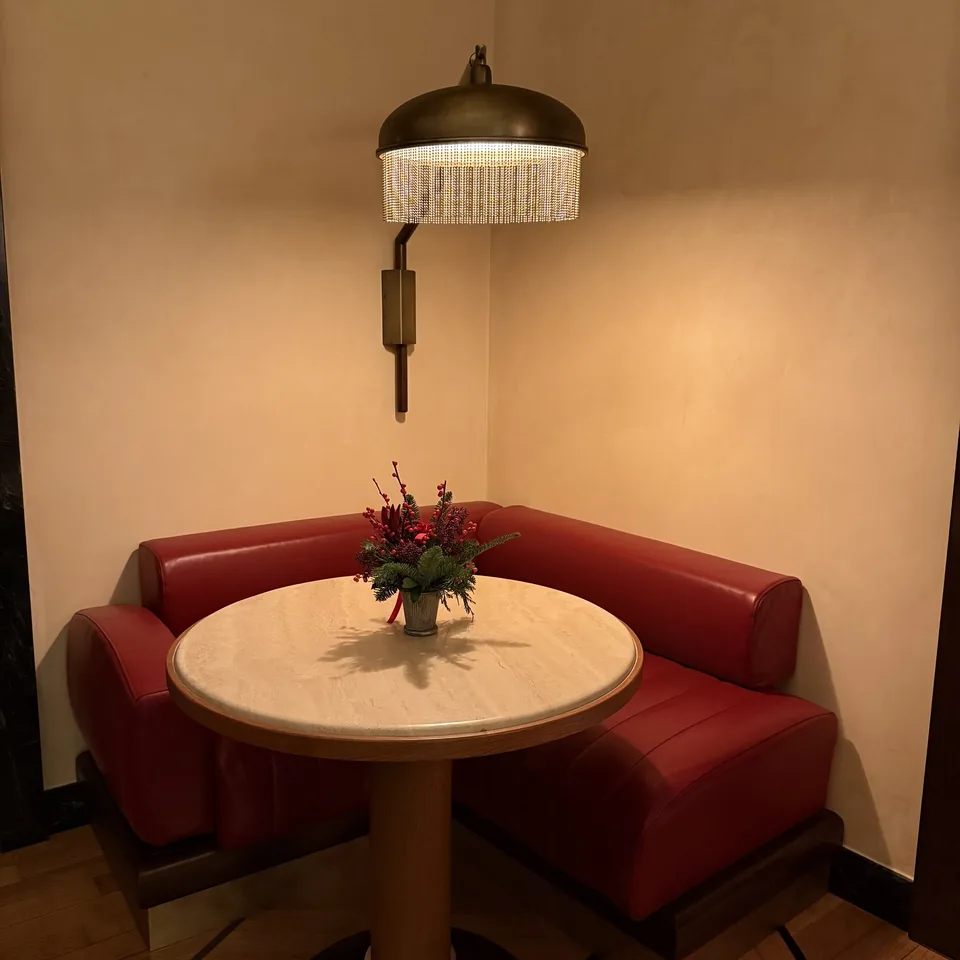
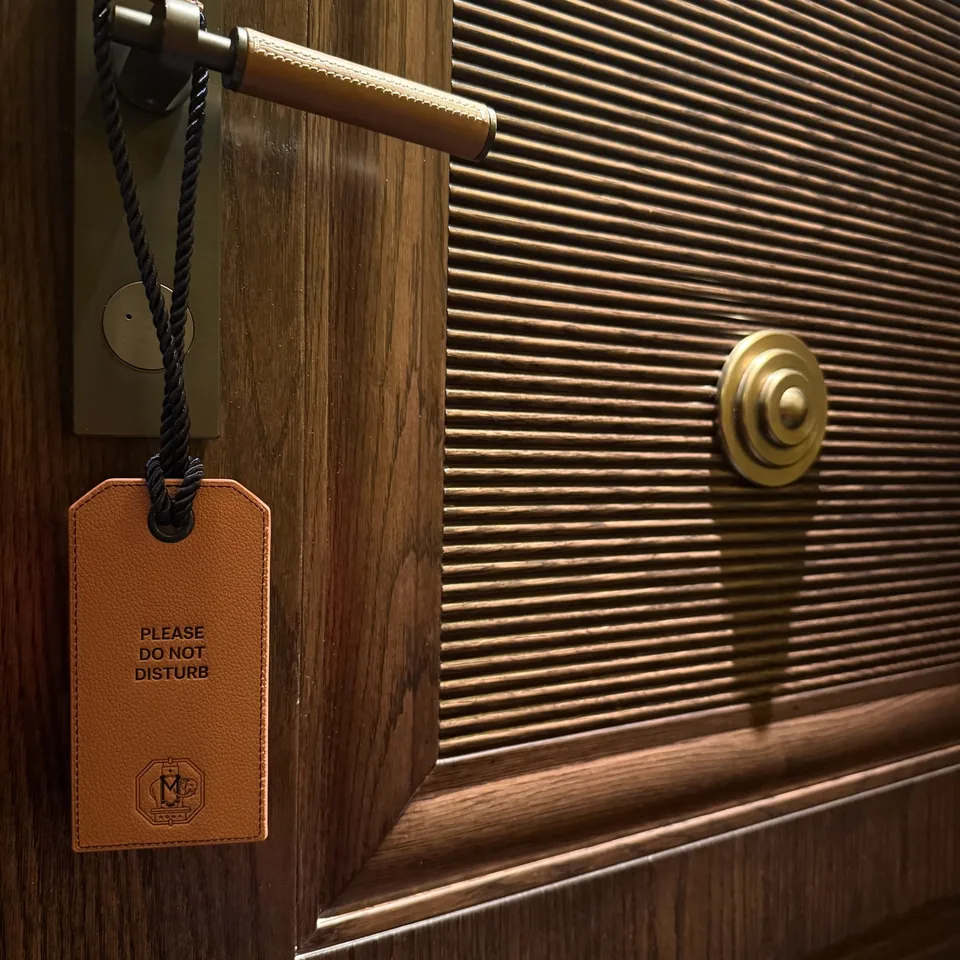
The details are where the money went and where the brand shows up. The pantry is cut into red marble with the drawer of glass underneath, there is a shaving kit laid out on an Orient Express napkin as though people still travel that way, and the whole room is held together by timber and brass. The beige that usually arrives with a renovation never got in.
The roof
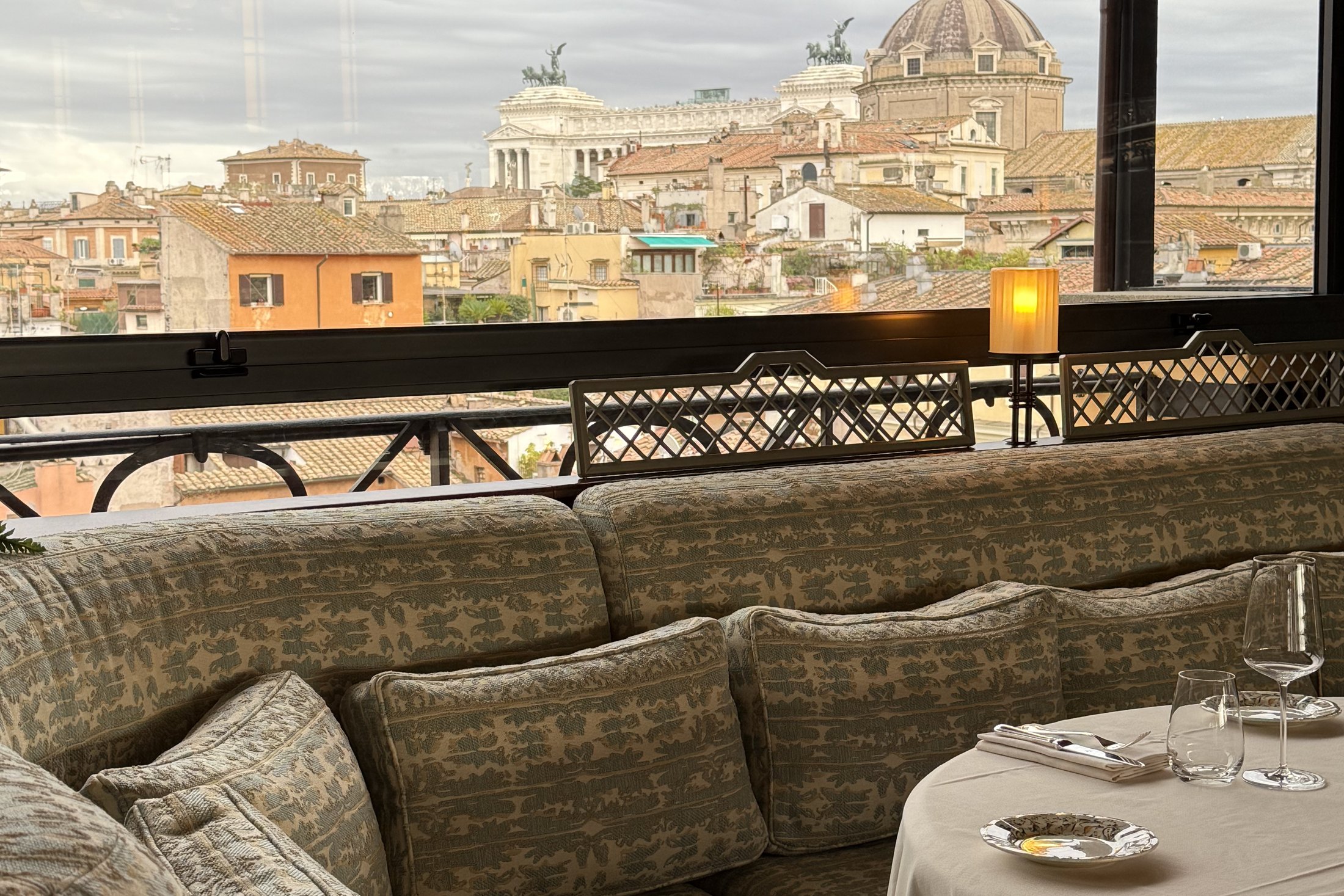
Gigi Rigolatto sits on the terrace, with the bar beside it, and it is what half the city wants to get into. The view earns it: the Pantheon on one side, the Altare della Patria on the other, and the roofs running away in every direction between the two. It is open to outside bookings, so a guest who turns up at nine on a Saturday and expects a table has misunderstood the arrangement.
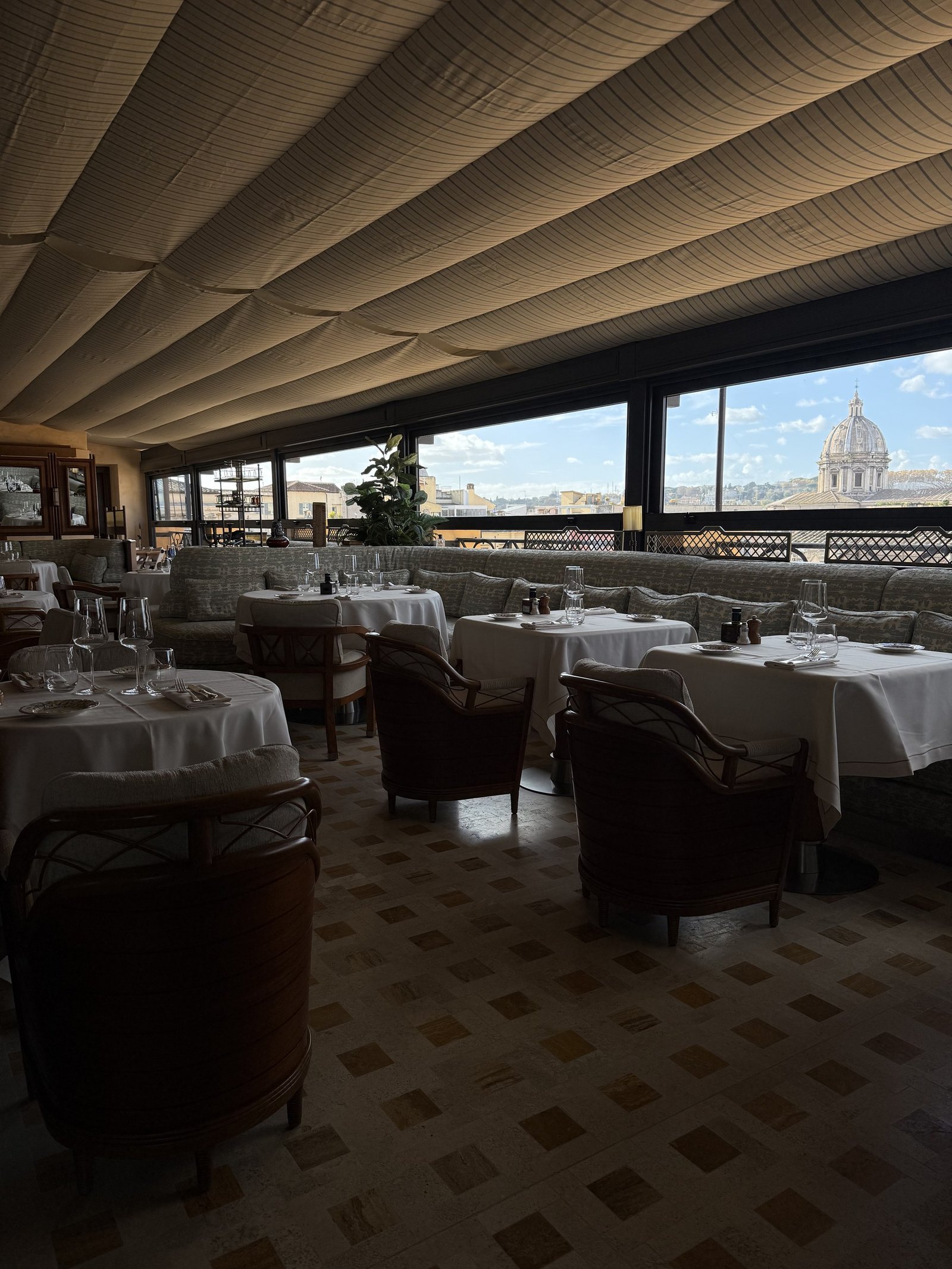
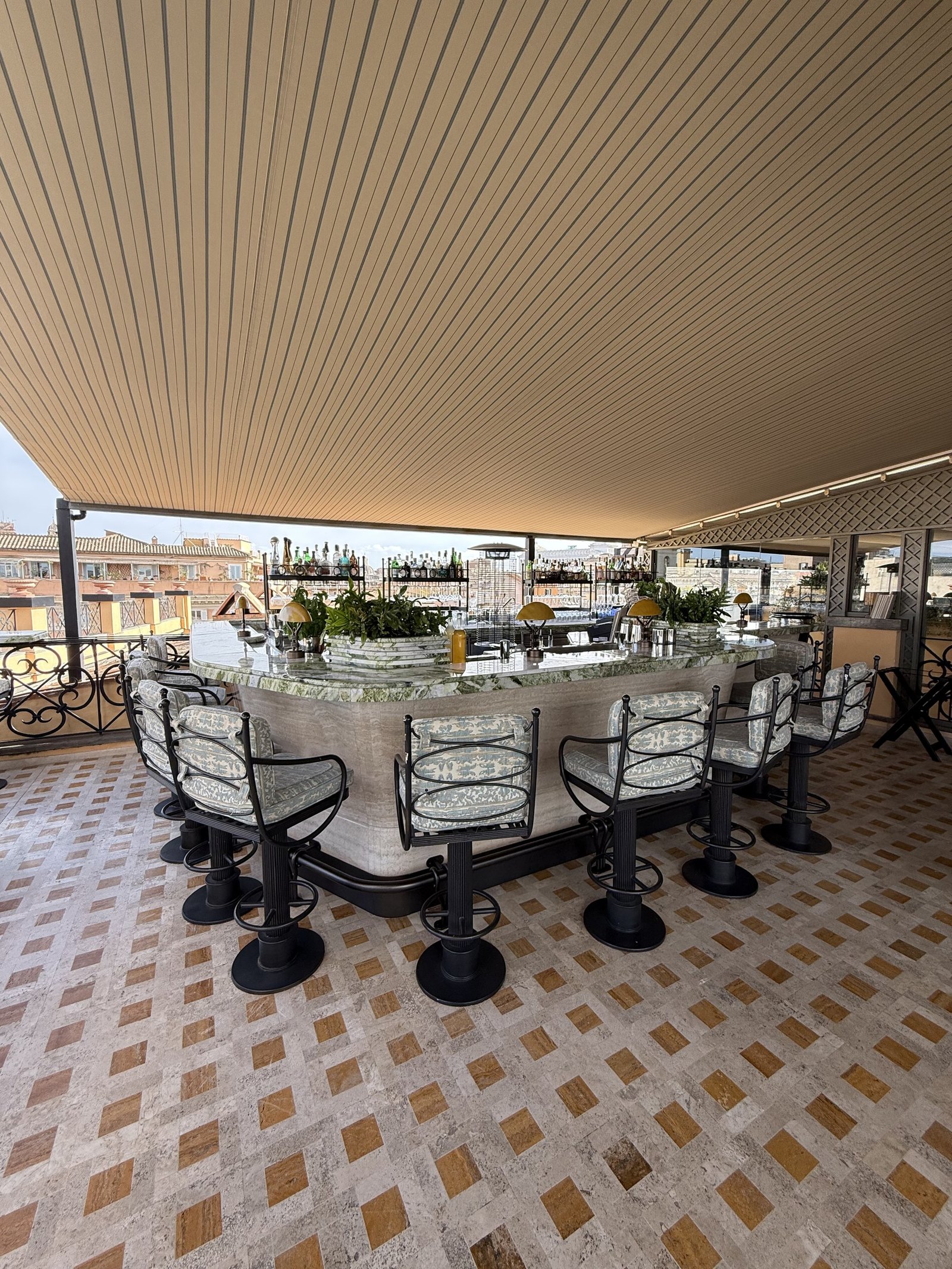
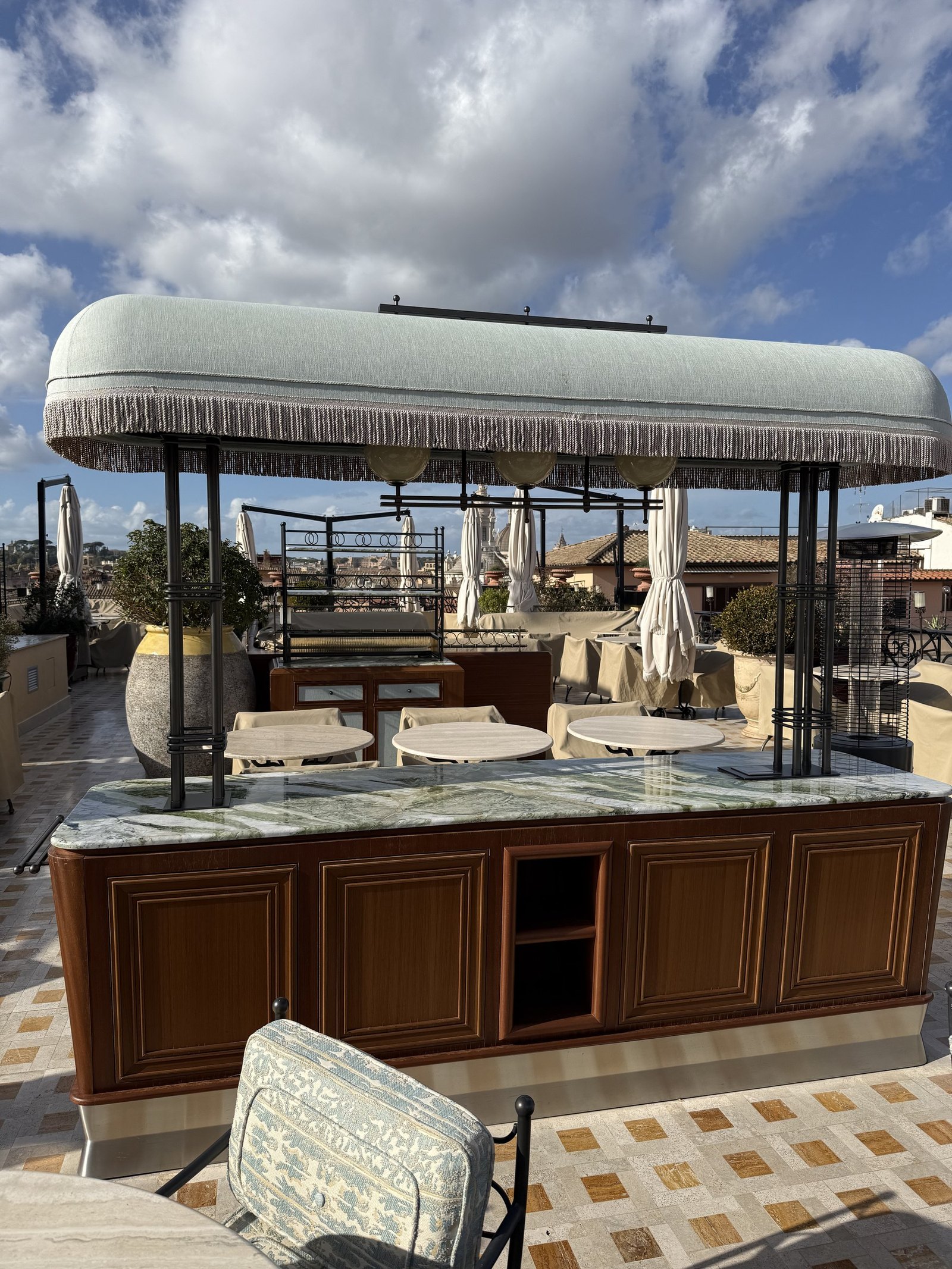
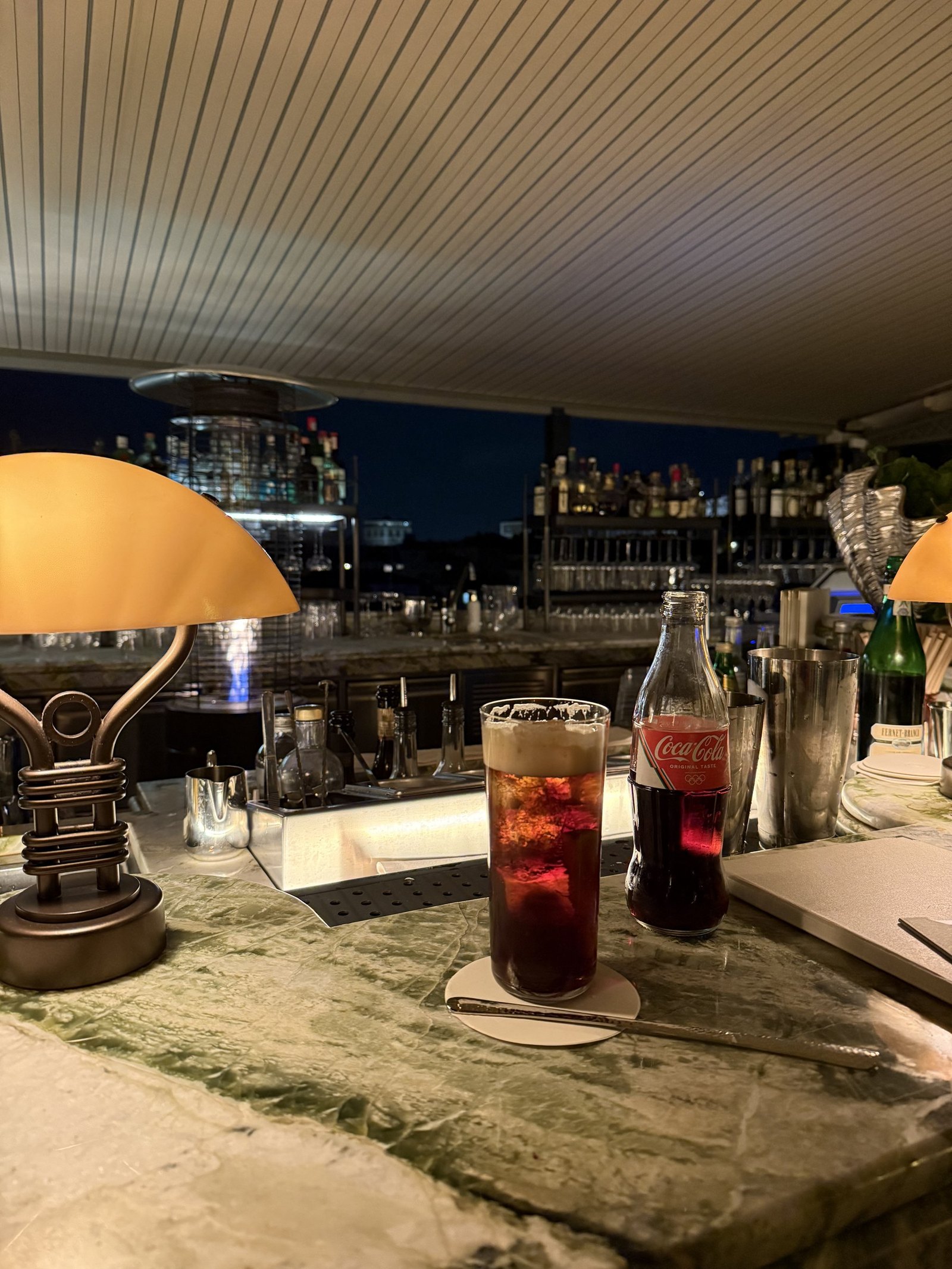
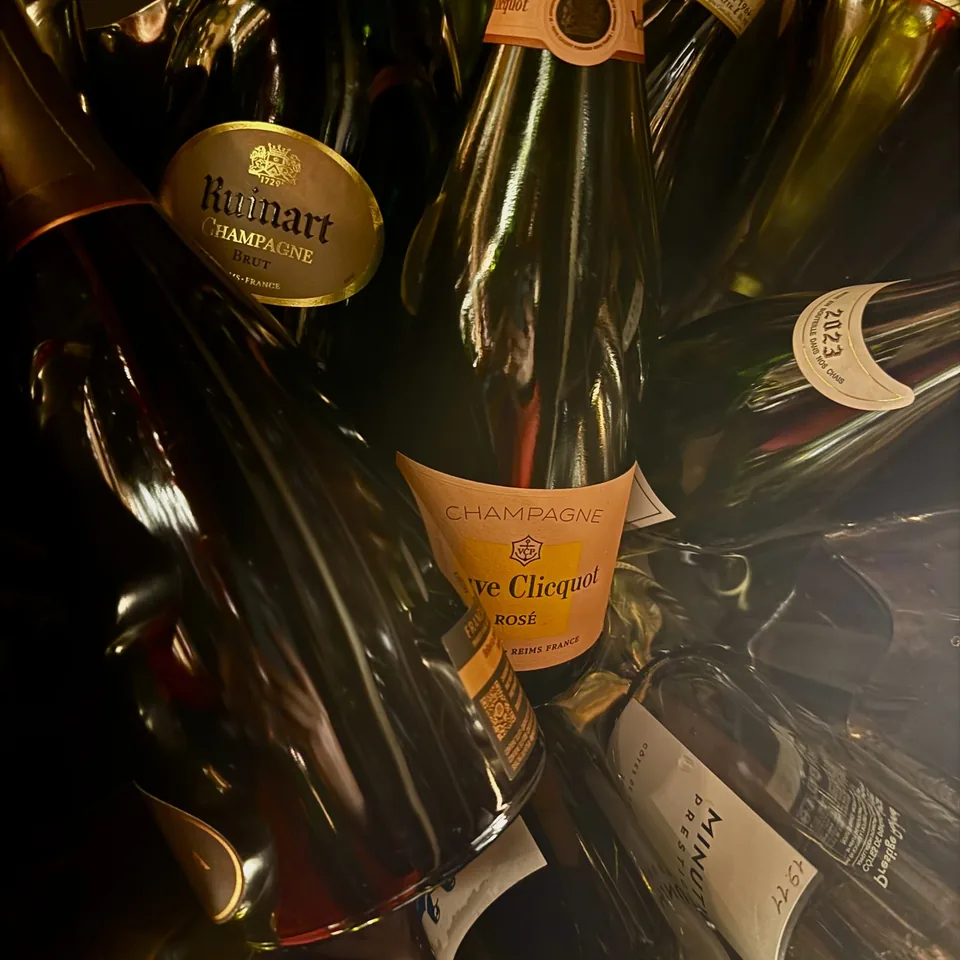
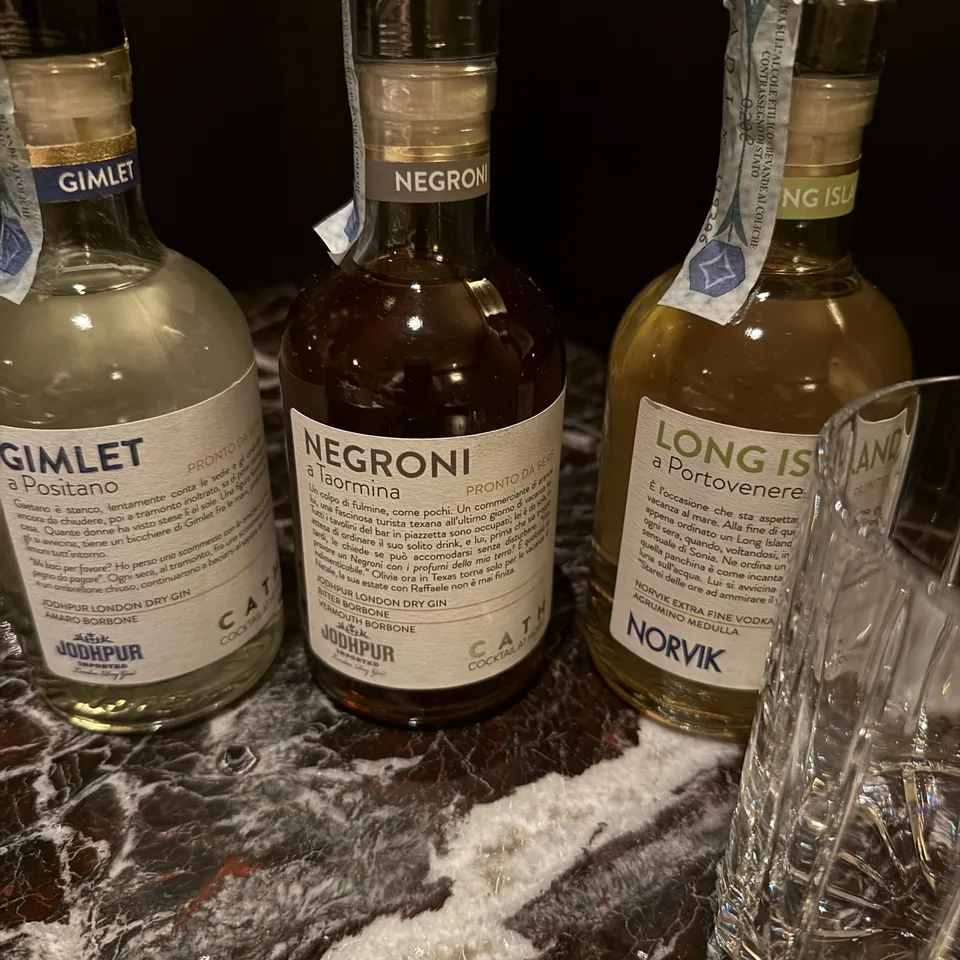
Go up twice. Once in daylight, to work out what you are looking at, and once after dinner, which is when the place is actually itself. In November the evenings were mild enough that nobody went back inside. Mine finished with a Fernandito, Coca-Cola and Fernet-Branca, which the barman suggested after watching me come up from a long Roman dinner. He was right.
Eating, and the ground floor
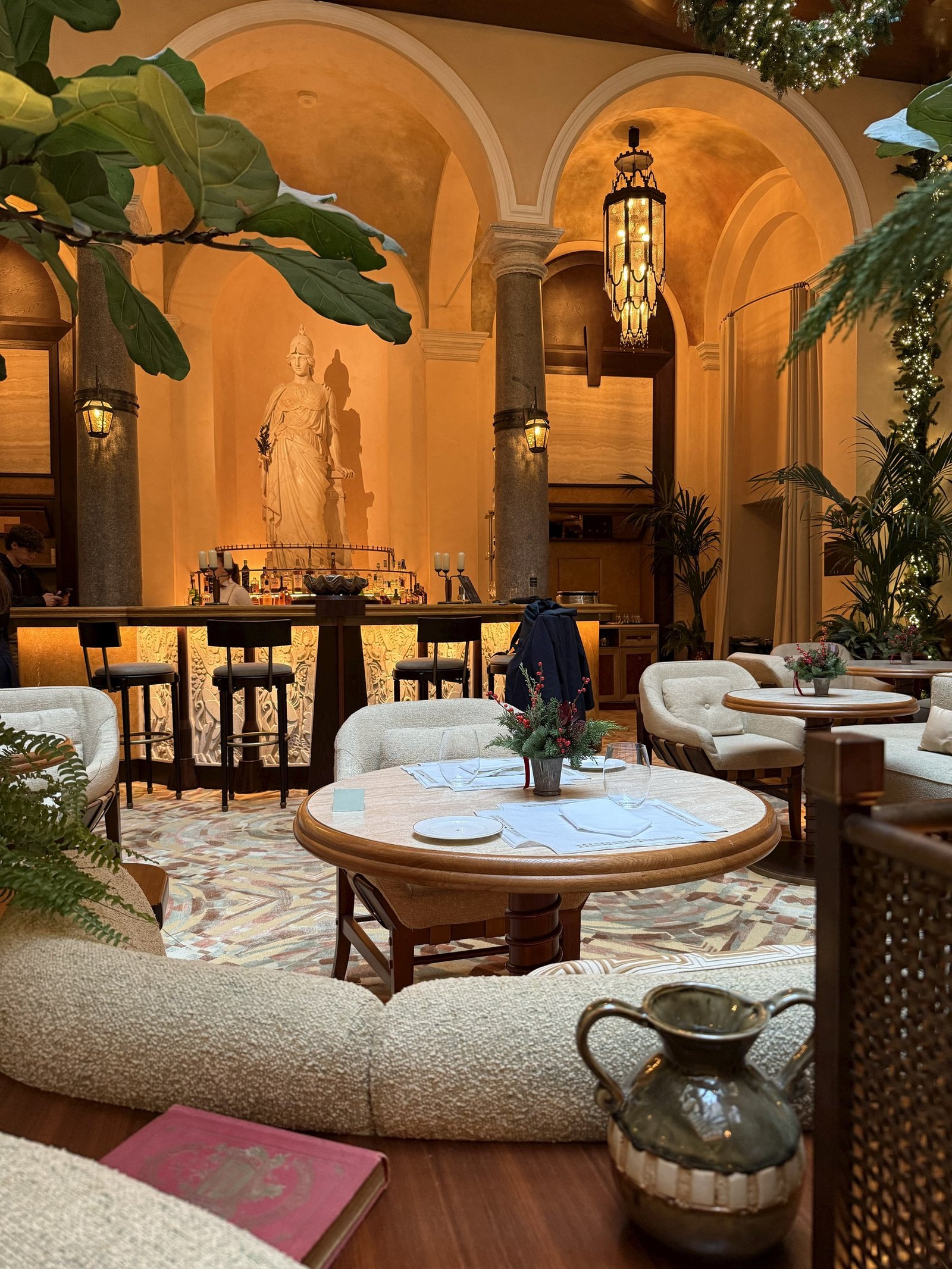
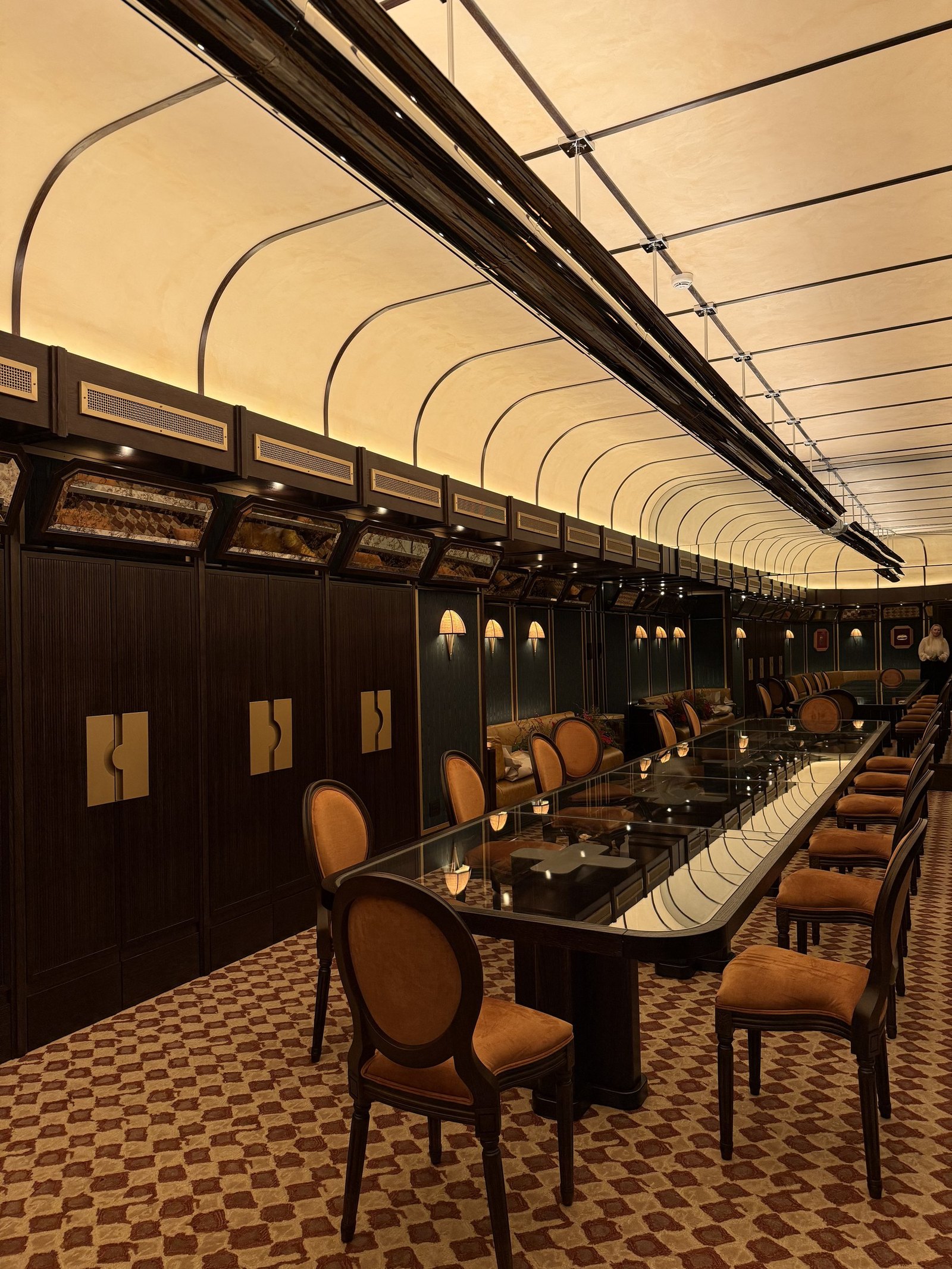
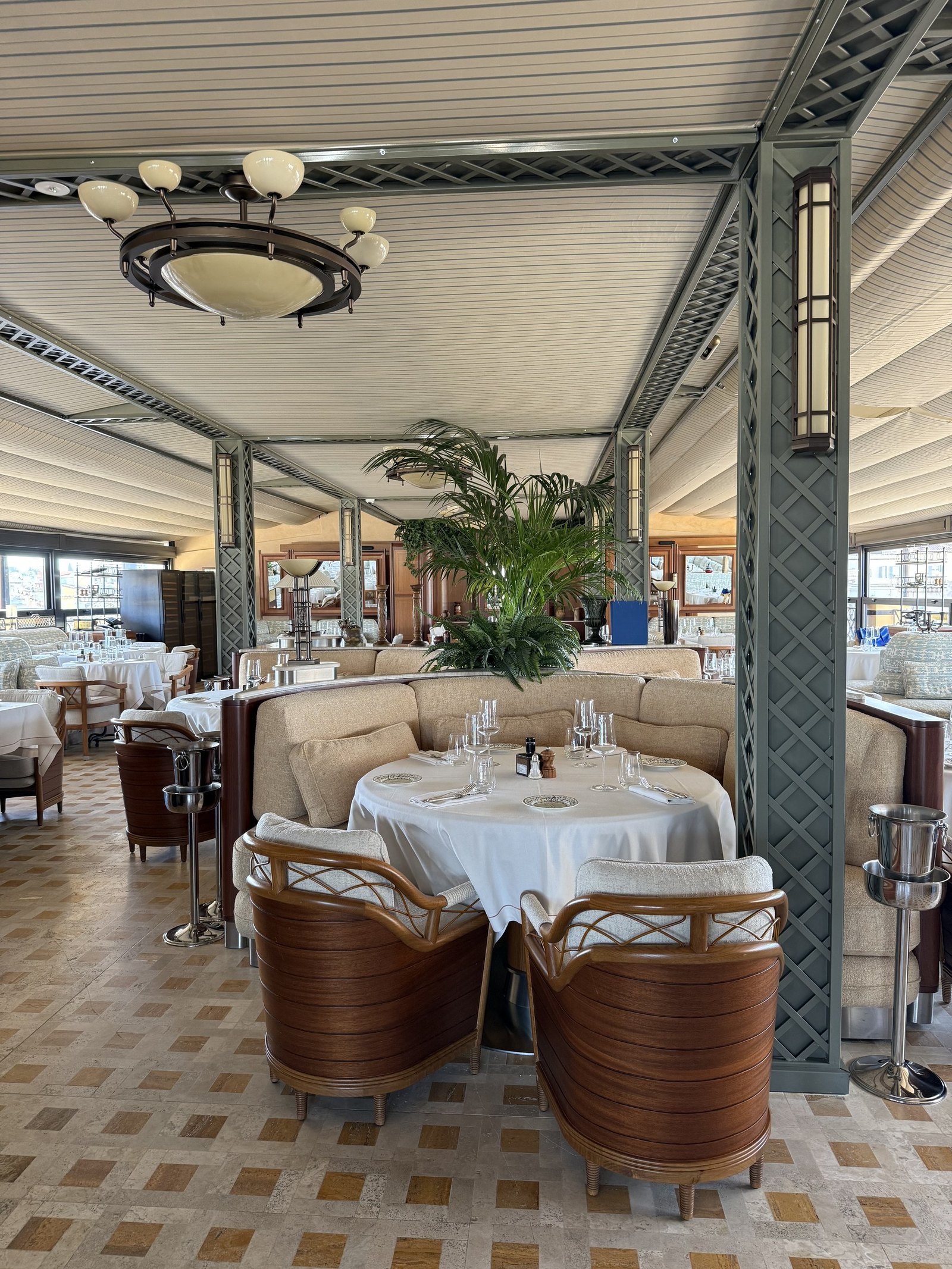
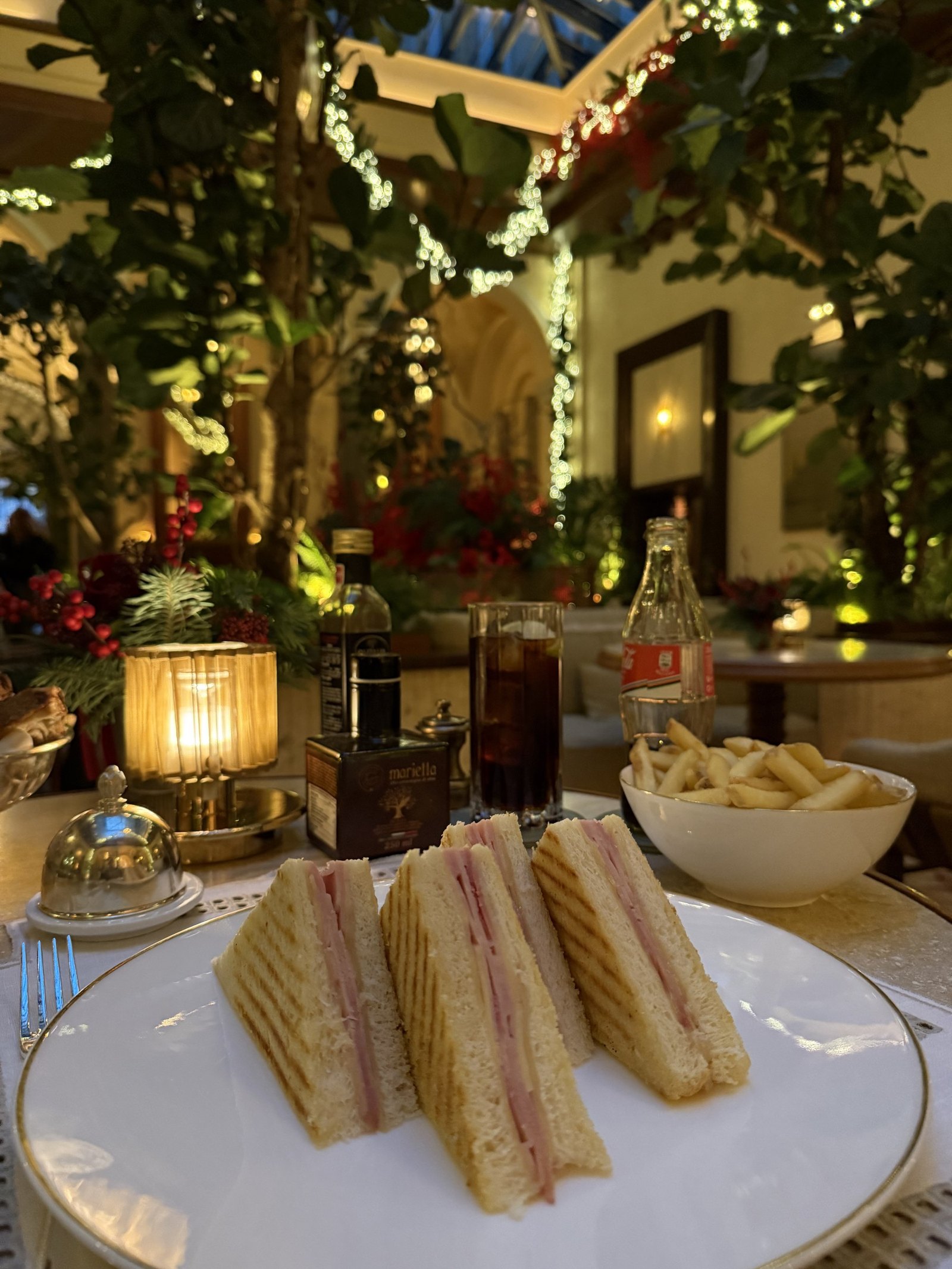
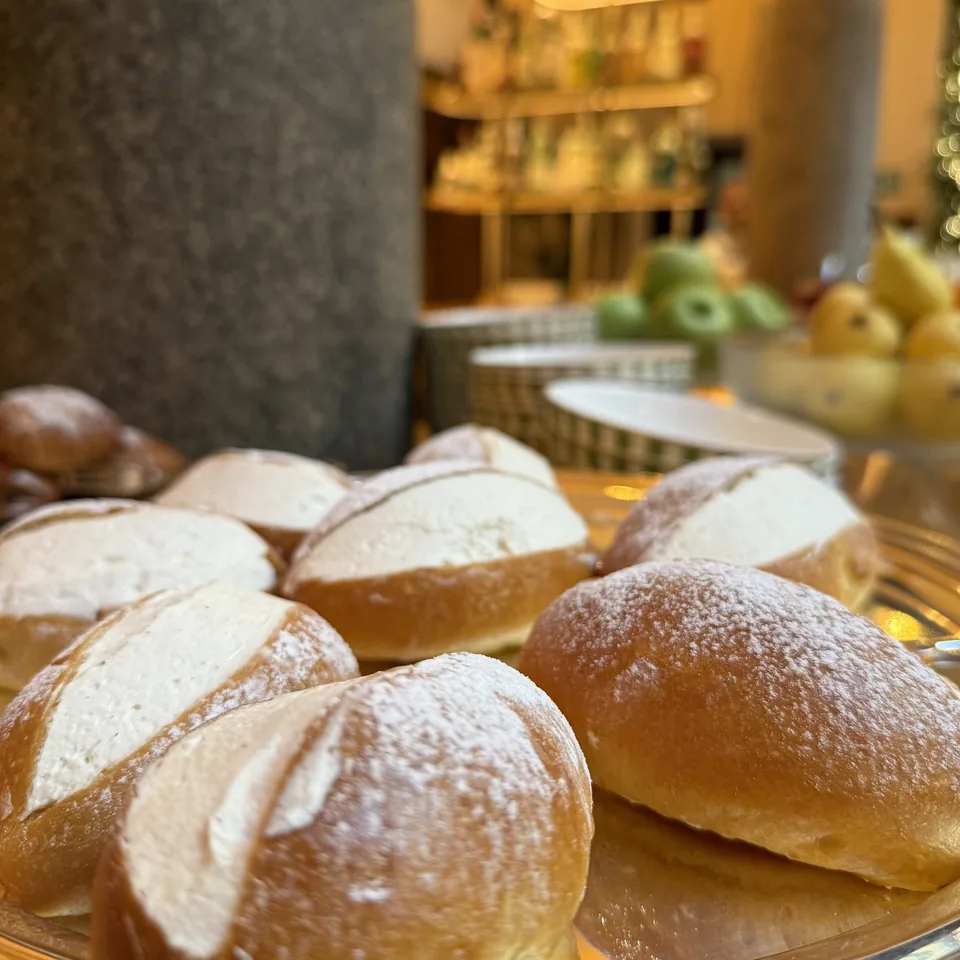
Breakfast is served in the bar on the ground floor, which, like the terrace, is open to people who are not staying in the hotel. That has two consequences and you should know both. The rooms downstairs keep the temperature of a place in use, with Romans in them and not only guests. And the hours fill, so the generous late service is a thing to plan around. Most people discover it on their last morning.
Advisor's perspective
This is the Rome hotel for a traveller who wants to walk out of the door into the middle of it. Everything is on foot from here, which is the whole argument for the address and the reason the address costs what it does. The hotel is a poor fit for anyone looking for a quiet retreat with a garden, and Rome has those, half an hour from everything you came to see.
The new piece is the pairing. Orient Express has a second house in Venice now, and La Dolce Vita runs between the two, a train built around the design and the style of the sixties and seventies, so the distance stops being a transfer and becomes a part of the trip. The Venice to Rome itinerary is the one to look at. What comes included with it moves from season to season, so that is a conversation to have before either end is booked.
One honest gap. The spa was still closed when I stayed, and it is open now with a hammam and a small gym. I have not set foot in it, so I will tell you about it when I have.
Before you book
The questions people send me about La Minerva.
- Which room should I ask for?
- It depends on one thing only, which is how you sleep. The rooms over Piazza della Minerva have the view you came for and the piazza is alive day and night. The ones looking sideways are quieter and give up the postcard. I had one of each on the same stay, and for a light sleeper I would take the side every time. For two nights and a heavy itinerary, take the square.
- It is in the middle of everything. Is it noisy?
- Less than you would fear. The rooms are properly soundproofed and I never heard a neighbour or the street, with one exception that no hotel in any old city can fix, which is the rubbish trucks early in the morning. That is Rome, and it lasts a few minutes.
- What can you actually see from the roof?
- The Pantheon on one side, the Altare della Patria on the other, and the roofs of Rome in every direction between them. From the restaurant end the dome of St Peter's comes into the glass as well. It is the reason the terrace is booked by people who are not staying in the hotel, and the reason to come up more than once.
- Is late November a bad time to go?
- It is one of the best. The air was mild enough to eat lunch outdoors and to sit on the terrace after dinner, the building was already dressed for Christmas on a scale worth seeing in its own right, and the city belongs to fewer people than it does in May. Rome in the cold months is a warmer idea than most people expect.
- Is there a spa?
- There is now, with a hammam and a small gym, and it opened after I was there, so I have not used it and I am not going to tell you what it is like. When I go back I will write it up here.
Something else you want to know? Write to me and I will answer it here.
Book online
Via Classic Travel, with the benefits attached.
The hotel's own rate, booked through a Virtuoso preferred-partner agency. Register once; the account stays linked to Wheresnik.
Check rates at La Minerva →Or let me arrange it
The room, the dates, the rest of the list.
Write in English, Italian or Spanish. I answer personally, usually within a day.
Let Nik arrange it →