
Inspection · Robertson Quay, Singapore
The Warehouse Hotel
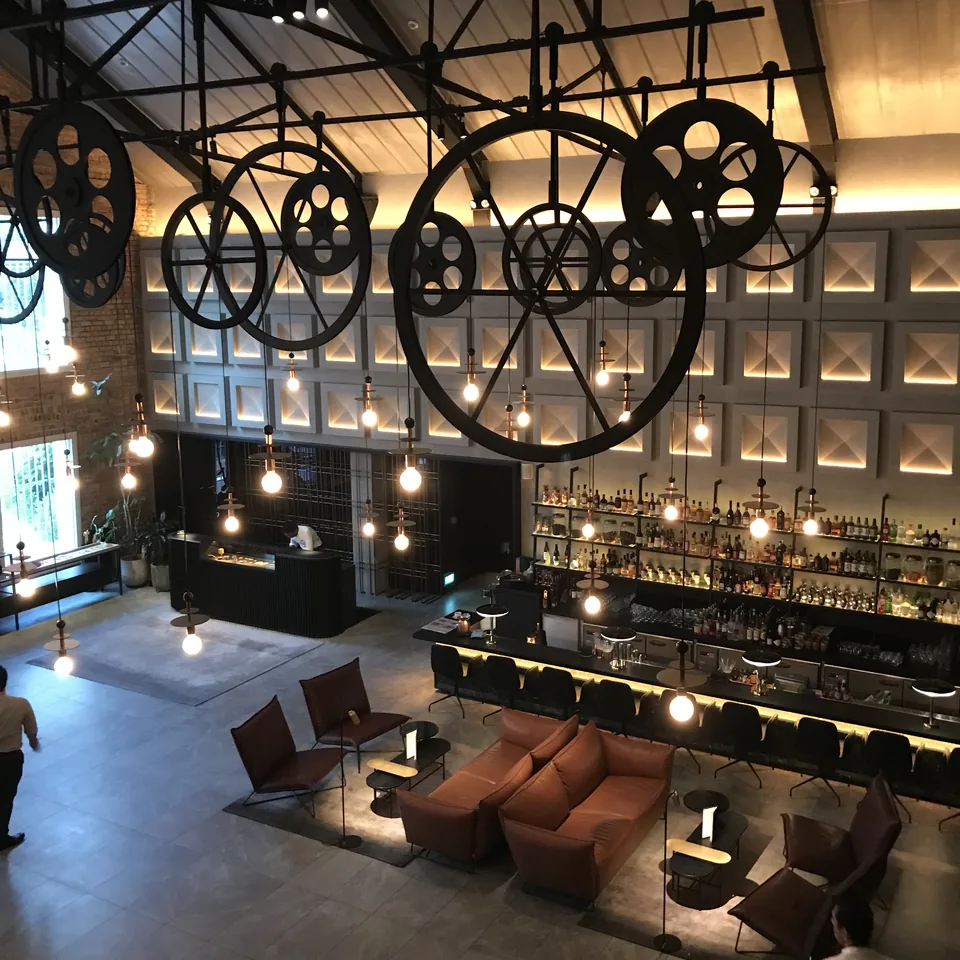
An 1895 godown on the Singapore River, thirty-seven rooms, with a lobby that still has its trusses and a bar under forty hanging pulley wheels. In a city that photographs itself from the fifty-seventh floor, this one is at water level.
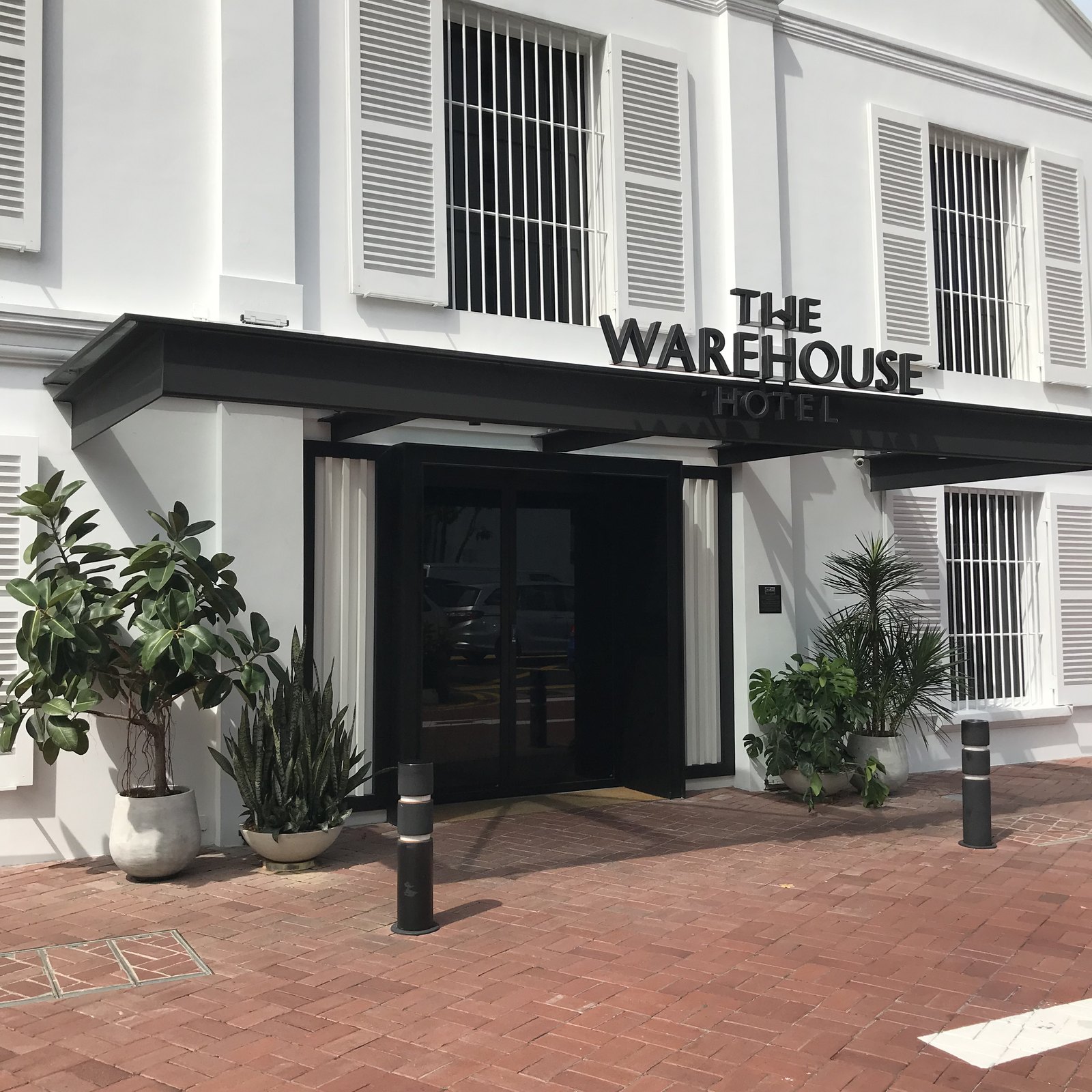
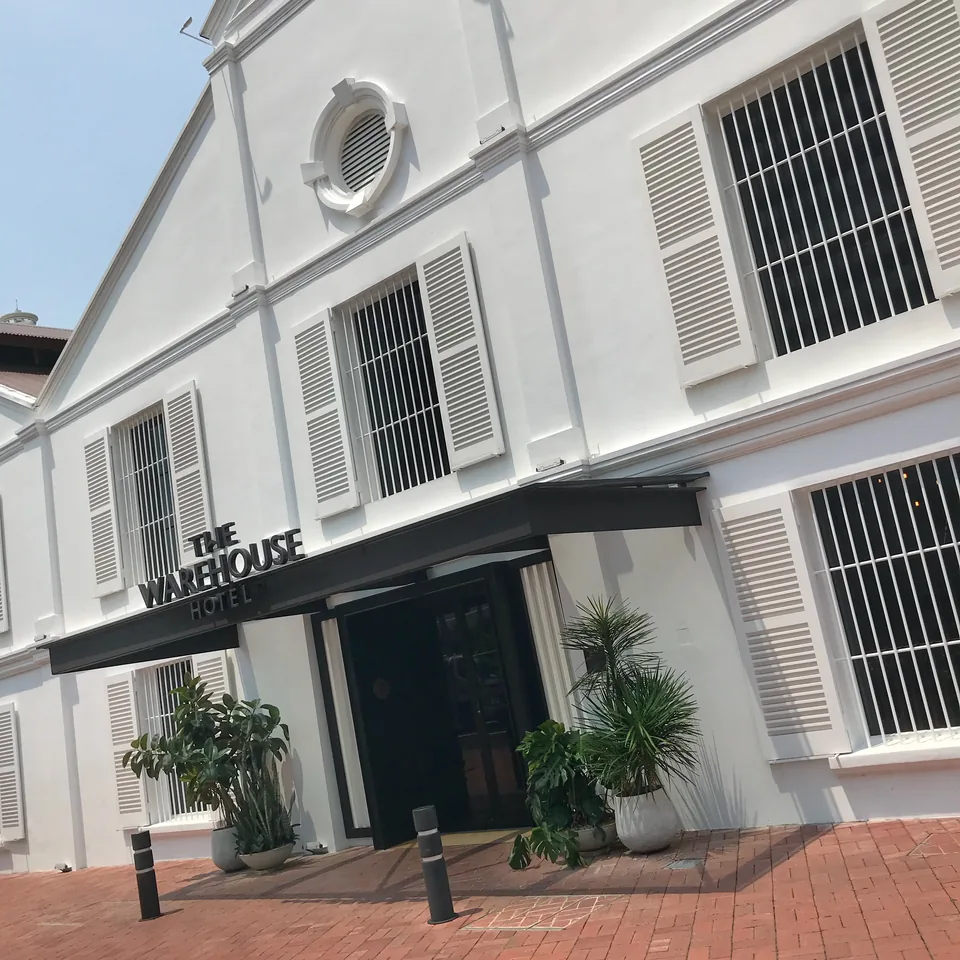
Book The Warehouse with me Tell me the dates and who is travelling, and I arrange it with the house directly. In English, Italian or Spanish.The front gives you a white two-storey godown with louvred shutters, a black steel canopy over the doors, and the name across it in capitals. Nothing else. On Havelock Road at a quarter to seven in the morning there is nobody about and the building reads as what it was, which is a shed for keeping goods in before they went onto a boat.
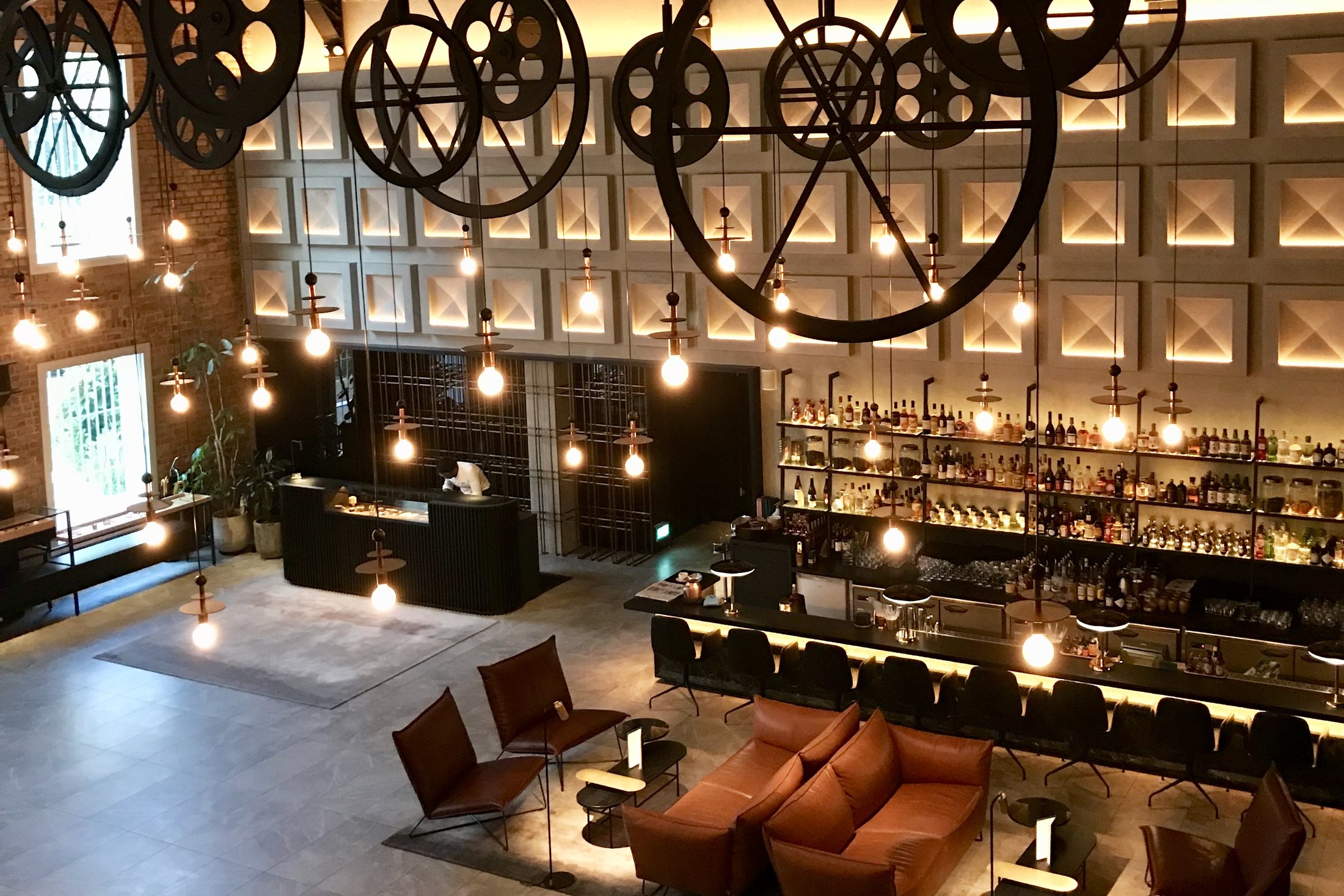
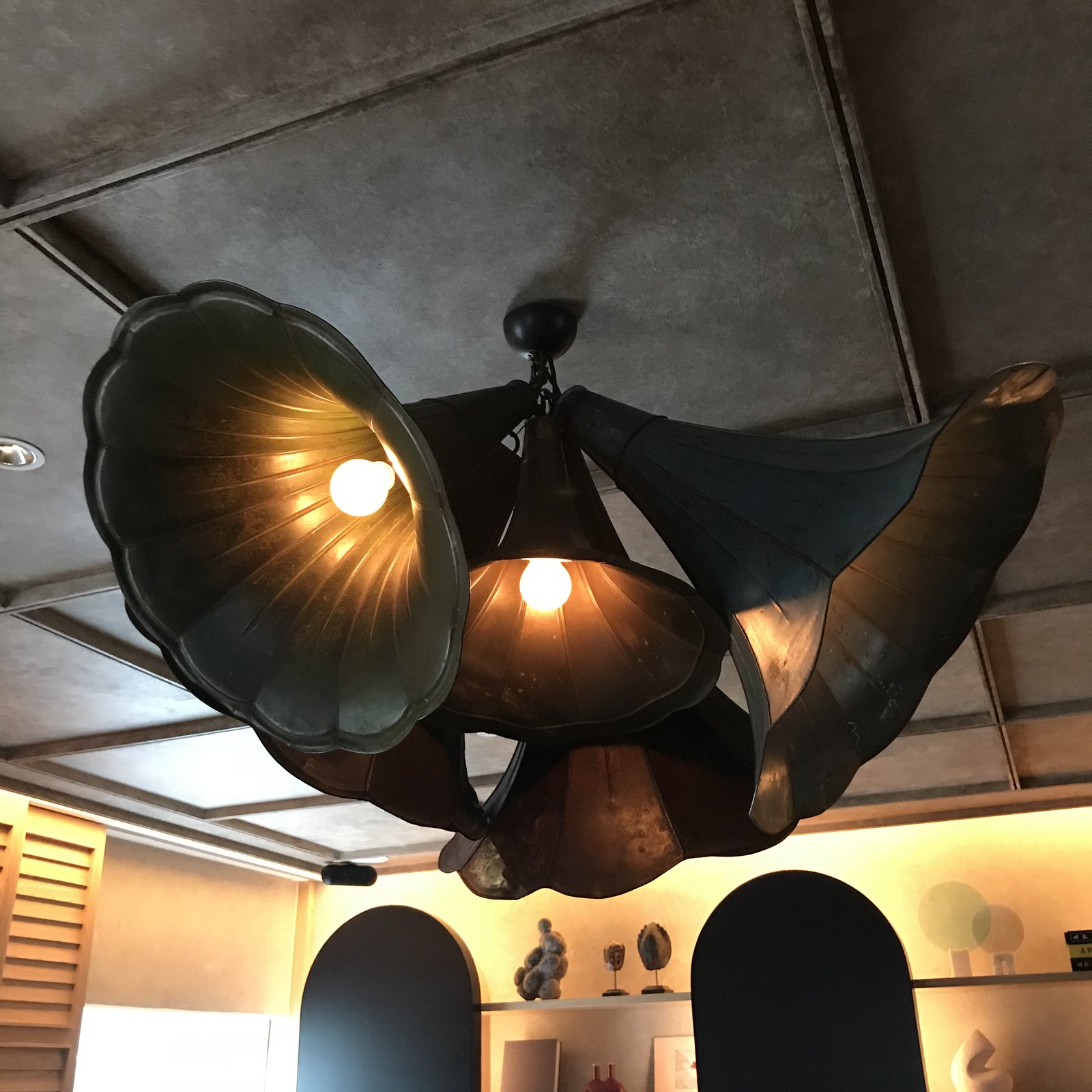
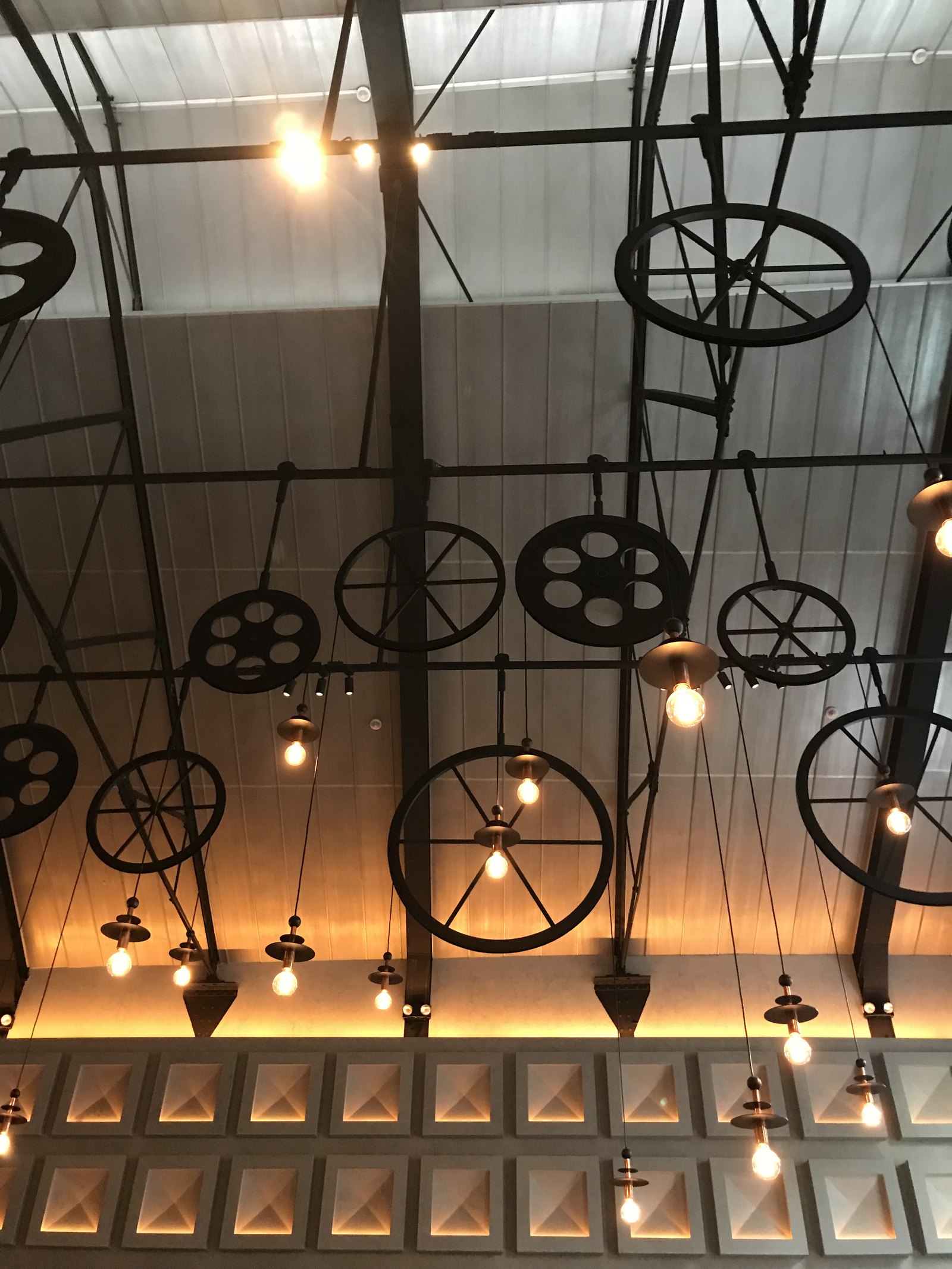
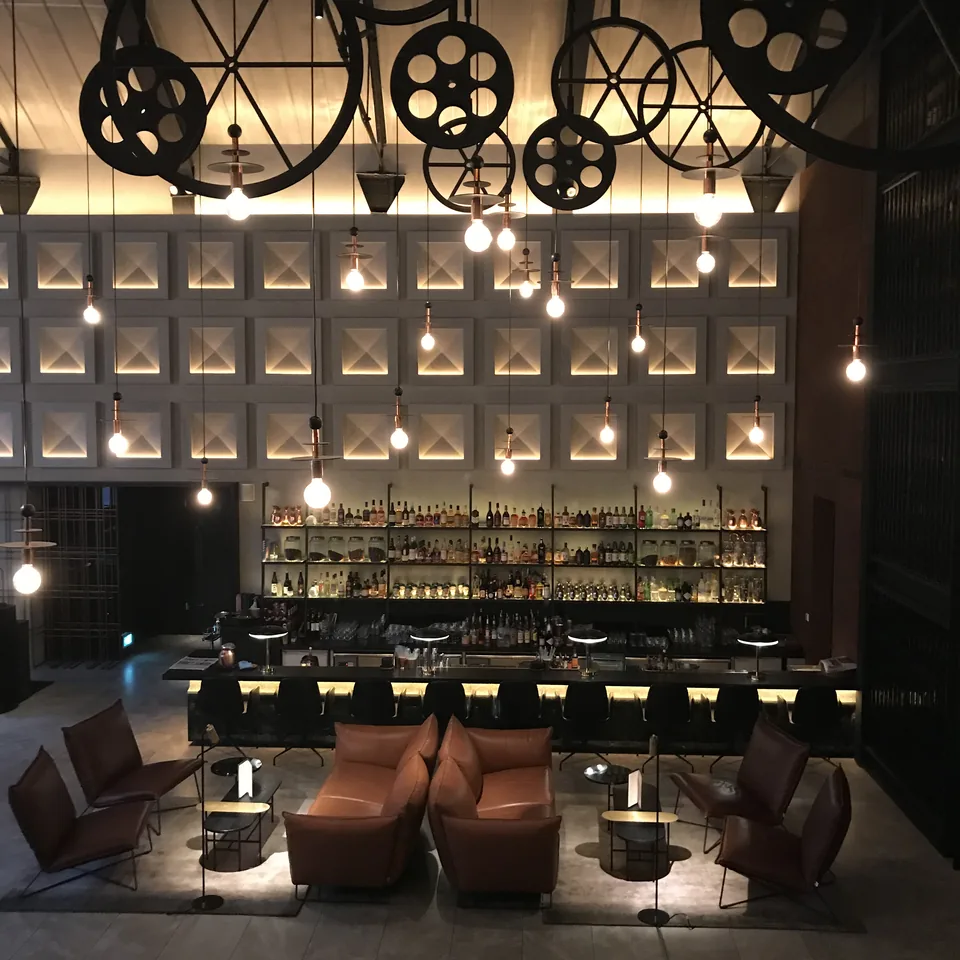
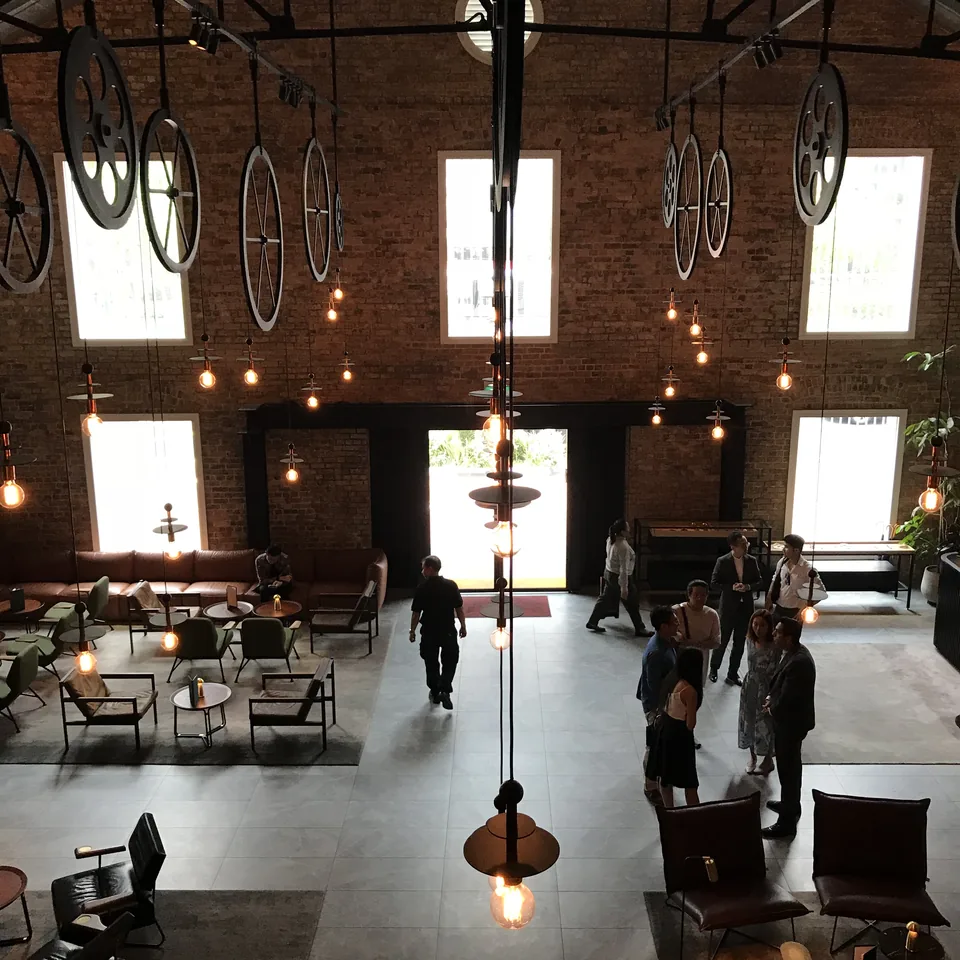
Then the door opens and the roof goes up about nine metres. The trusses are the original ones, the end wall is bare brick, and the whole volume has been left alone except for the thing hanging in it: dozens of cast-iron pulley wheels on rods, at every height, turning slowly out of the corner of your eye. Reception is a low desk on the left. The bar is the right-hand wall, lit from inside its own shelves. There is no lobby and then a bar: there is one room, and you check into it.
What the building was
Eighteen ninety-five, a godown on the Singapore River, in a stretch that ran on trade and distilleries and whatever else came up the water. It was a disco in the eighties, which is the part of the story everyone enjoys most. It opened as a hotel in January 2017 under The Lo & Behold Group, with Asylum doing the interiors and Zarch Collaboratives the architecture.
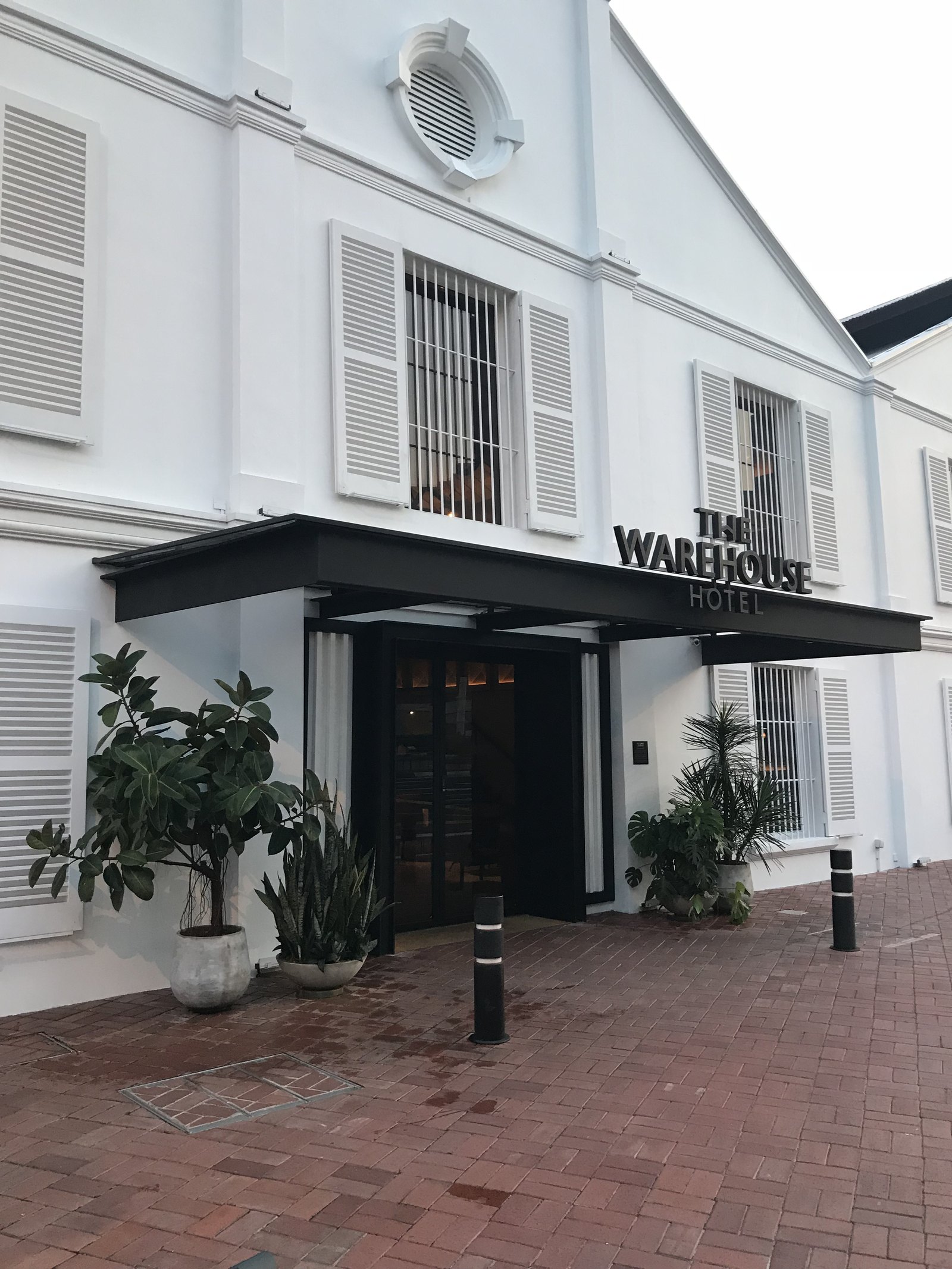
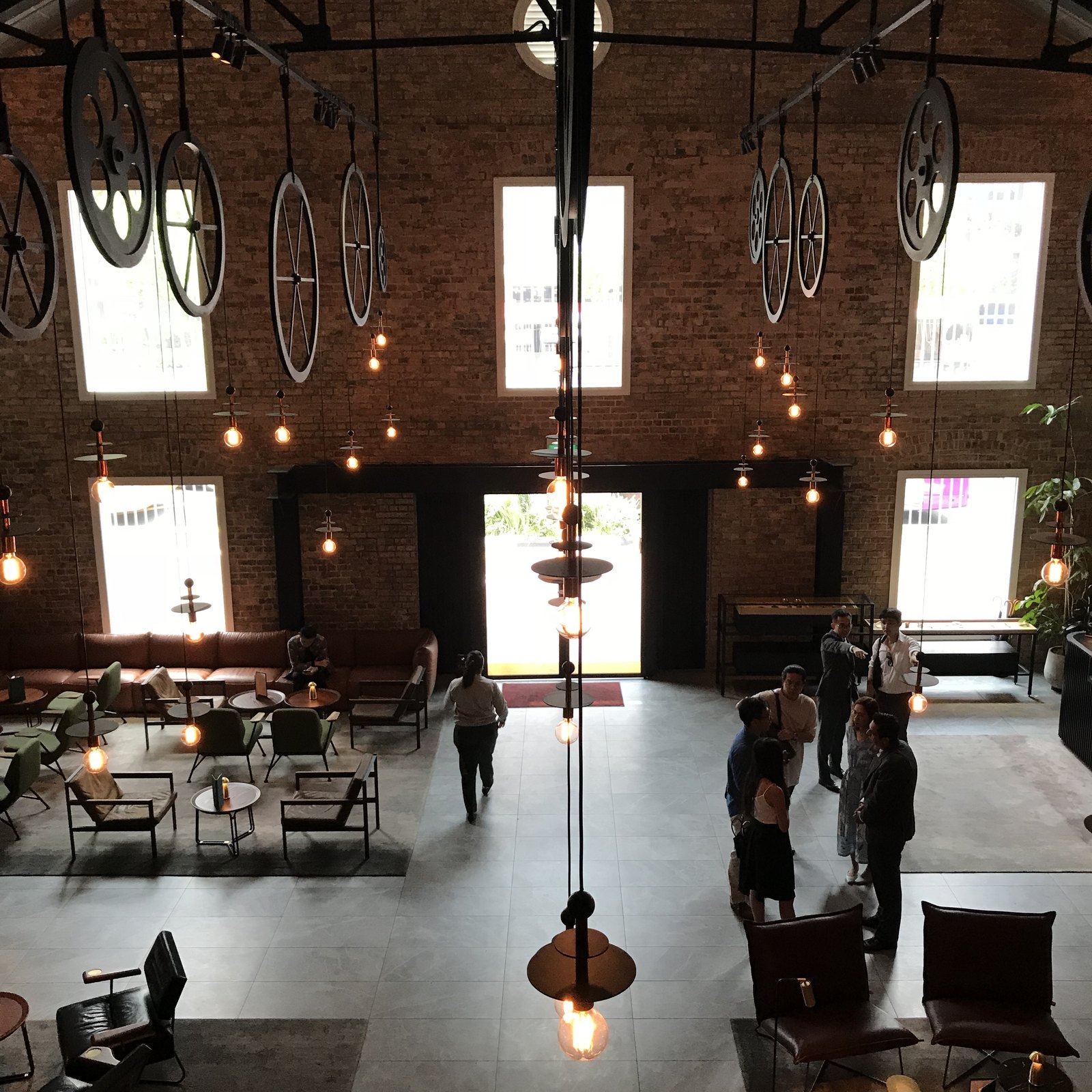
The conversion made one decision and then held it: leave the structure visible and put everything else underneath. That sounds obvious and it is rare. Most heritage conversions in Asia get a plaque, a sepia photograph in the lift lobby and a scheme that could be anywhere. Here the brick is brick, the trusses carry the roof they always carried, and the pulleys are a joke about what the building used to lift, hung at the scale the room can take.
The room
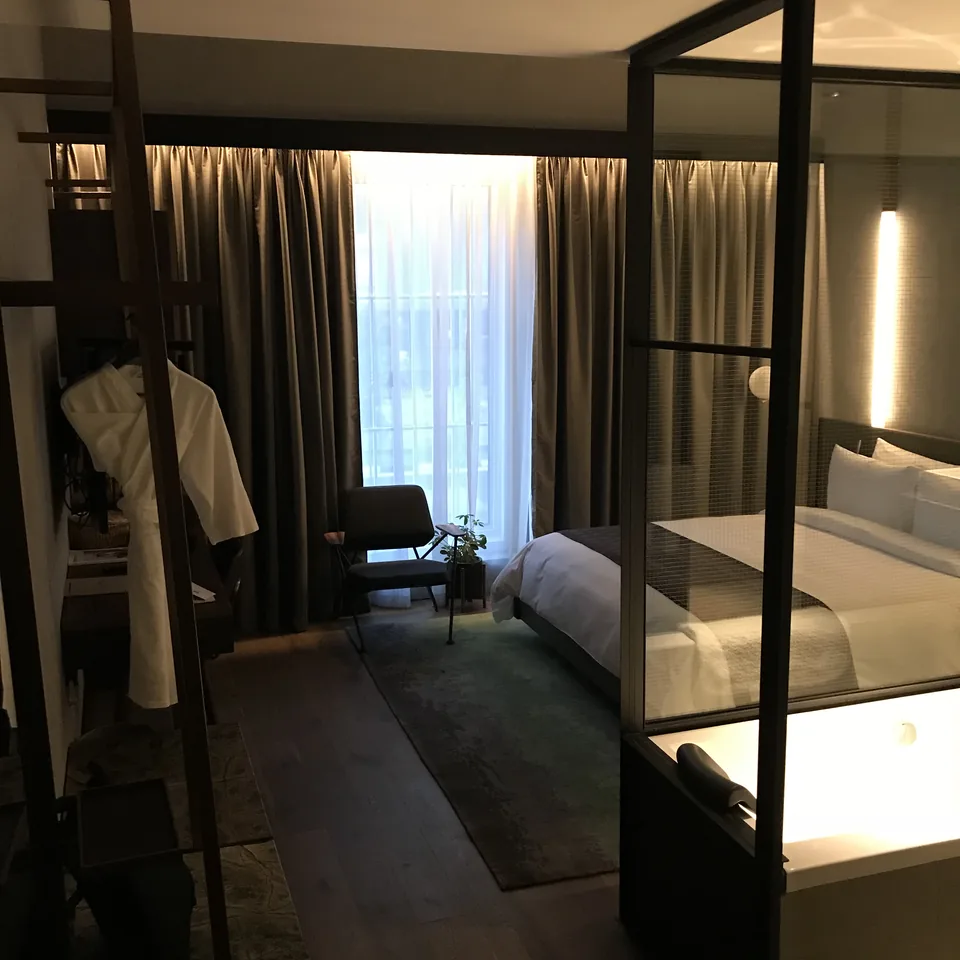
A River View Room, thirty-four square metres, on the ground floor. Singapore sells height, and this is the opposite proposition: you are at the level of the water and the street, in a building that was put here because boats stopped outside it.
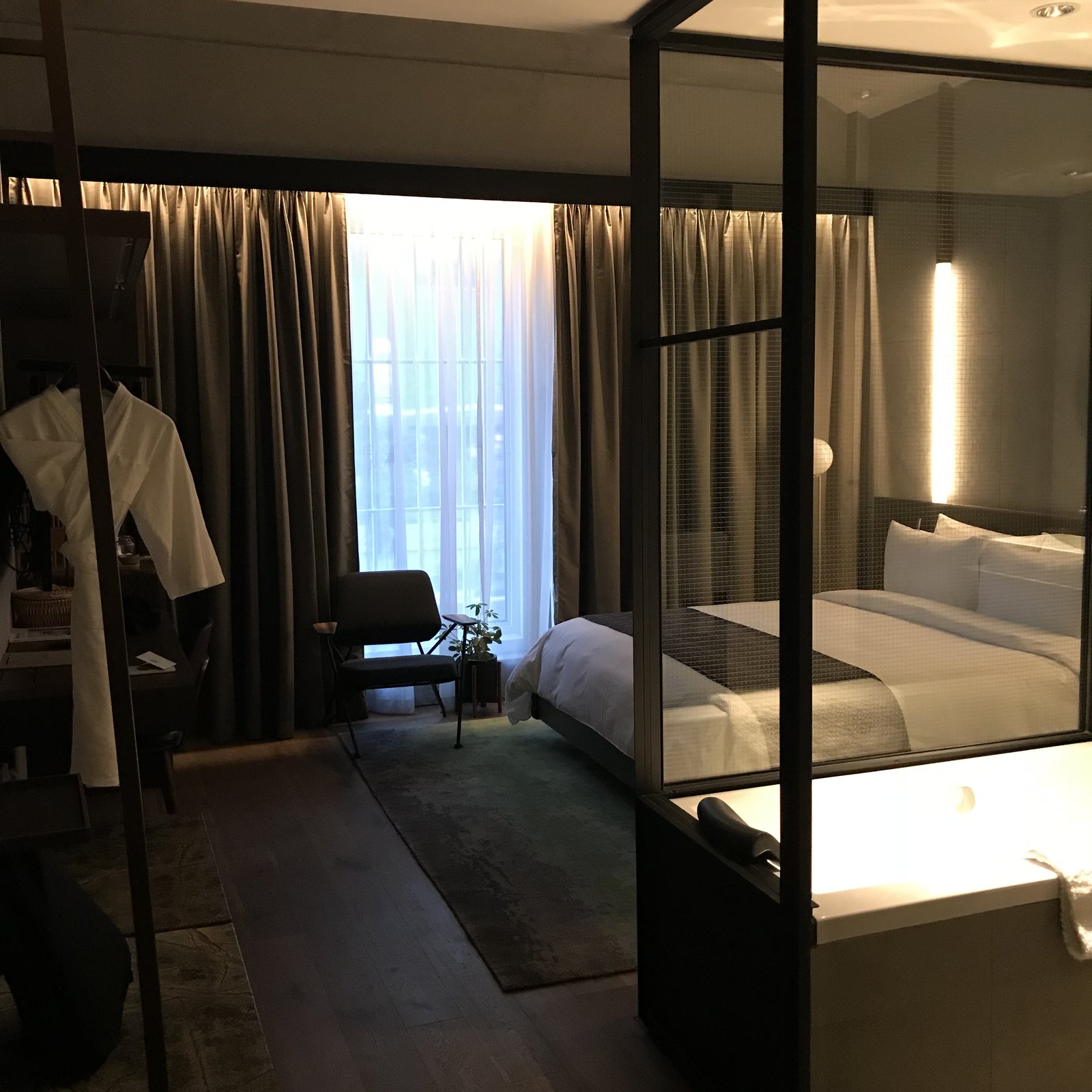
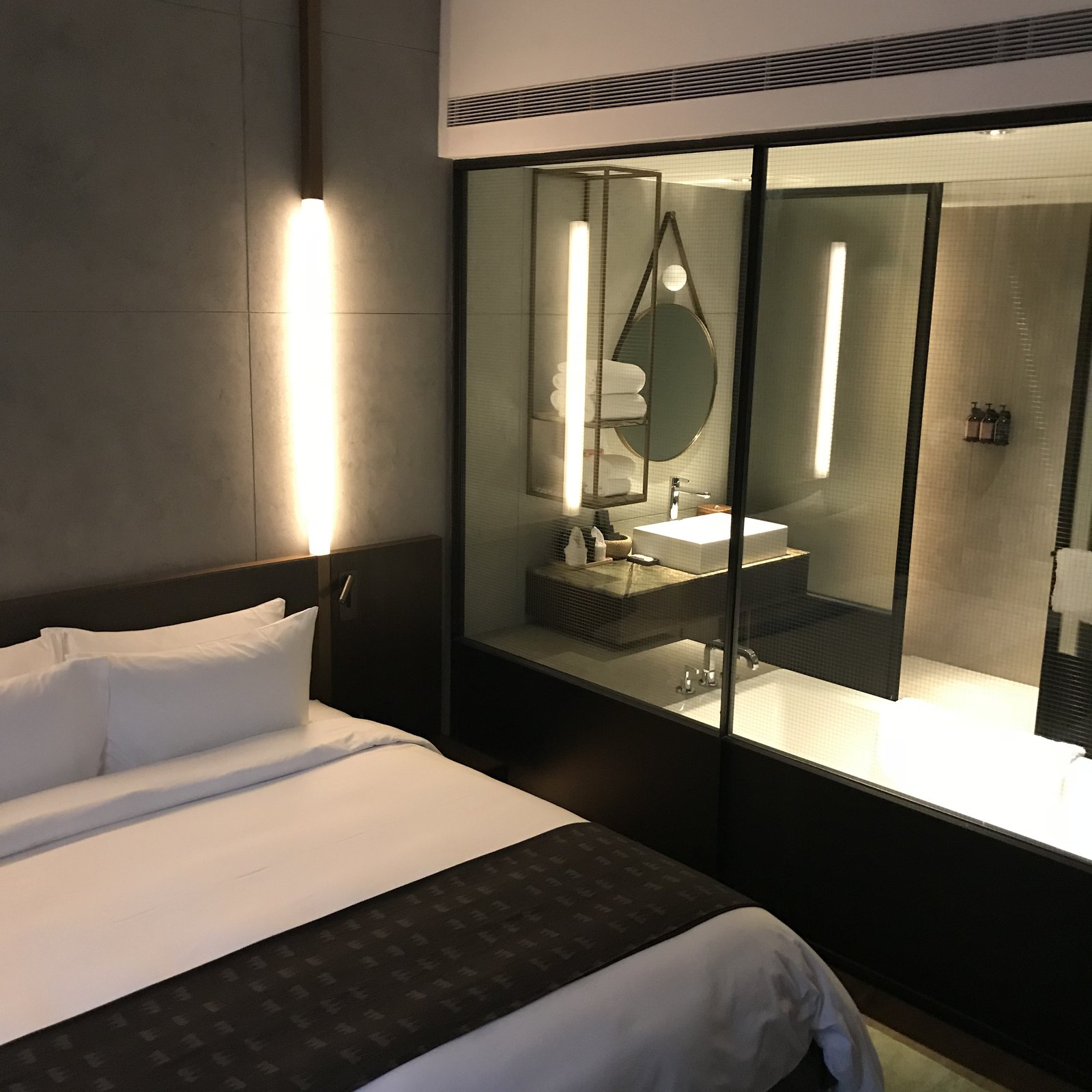
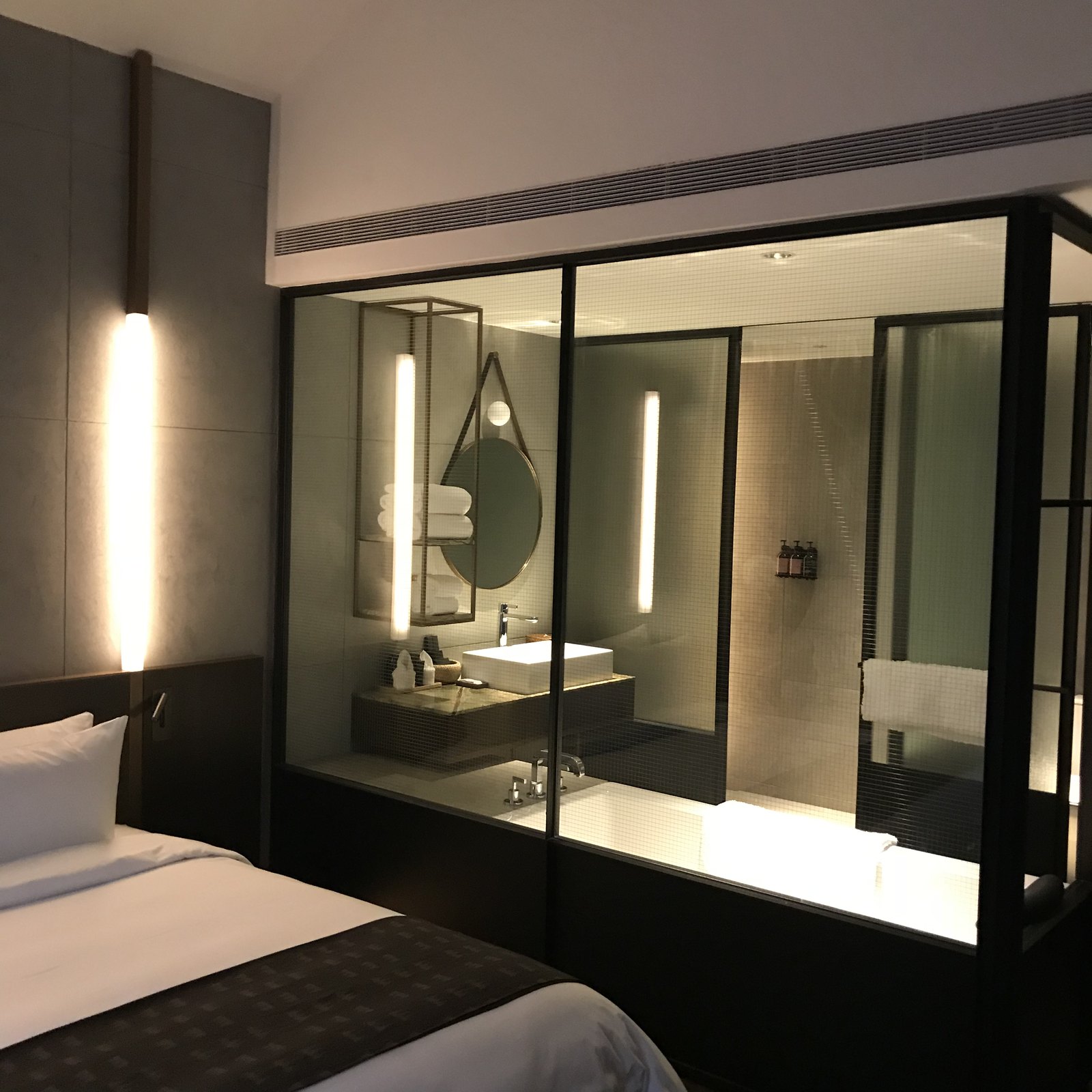
The scheme is restrained and warm: dark timber floor, a black steel frame standing clear around the bed, one vertical strip of light on the wall, and the bathroom behind a glazed screen that borrows daylight in the morning and gives it back as lamplight at night. Yes, there is a blind. The minibar is Singaporean, which is a small thing done well: the snacks in the drawer come from here, not from a global supply list.
Thirty-four square metres is enough and no more. It is a room for people who are out, which in this neighbourhood you will be.
Po
Dinner was at Po, downstairs, and it is the part of the stay I would repeat first.
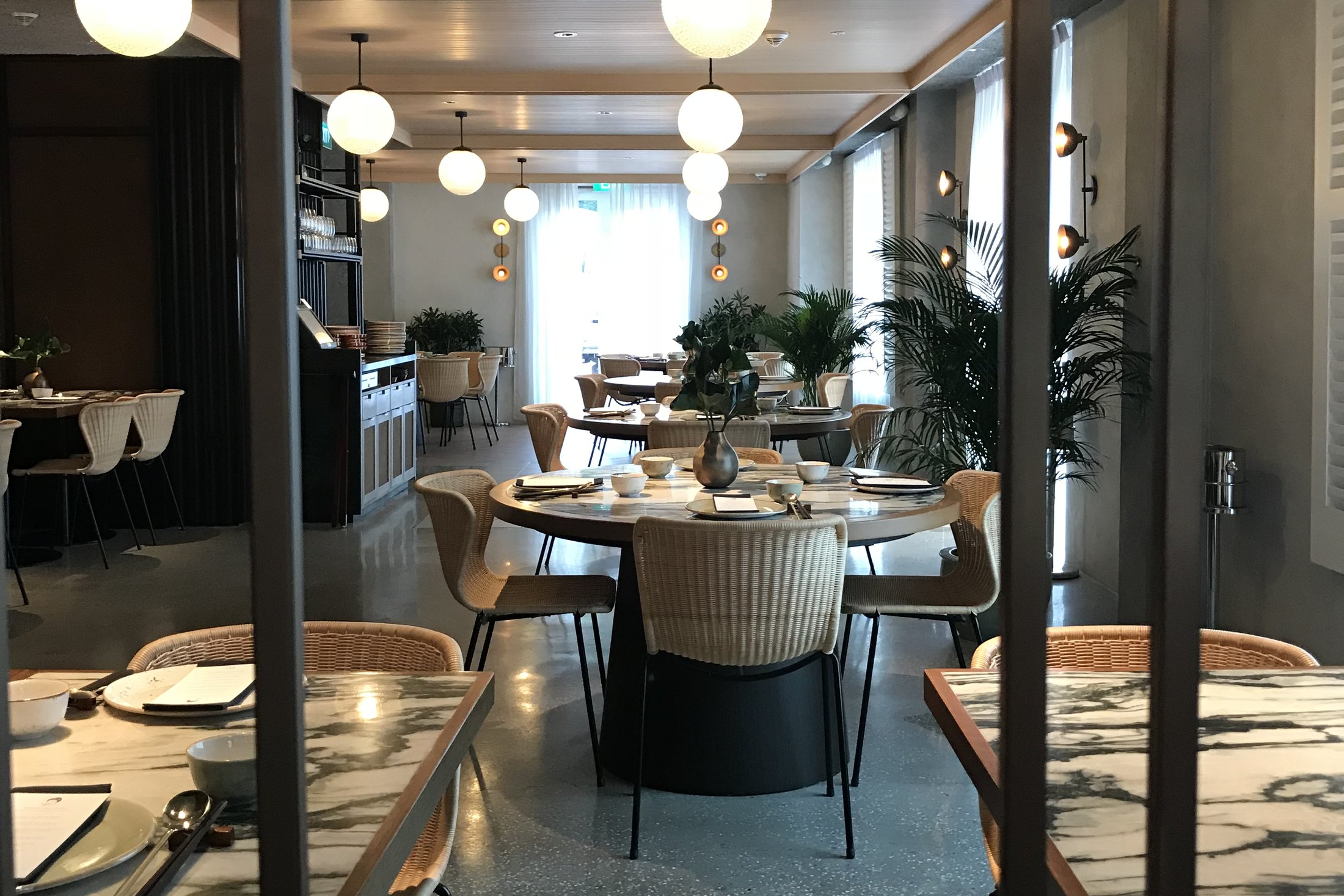
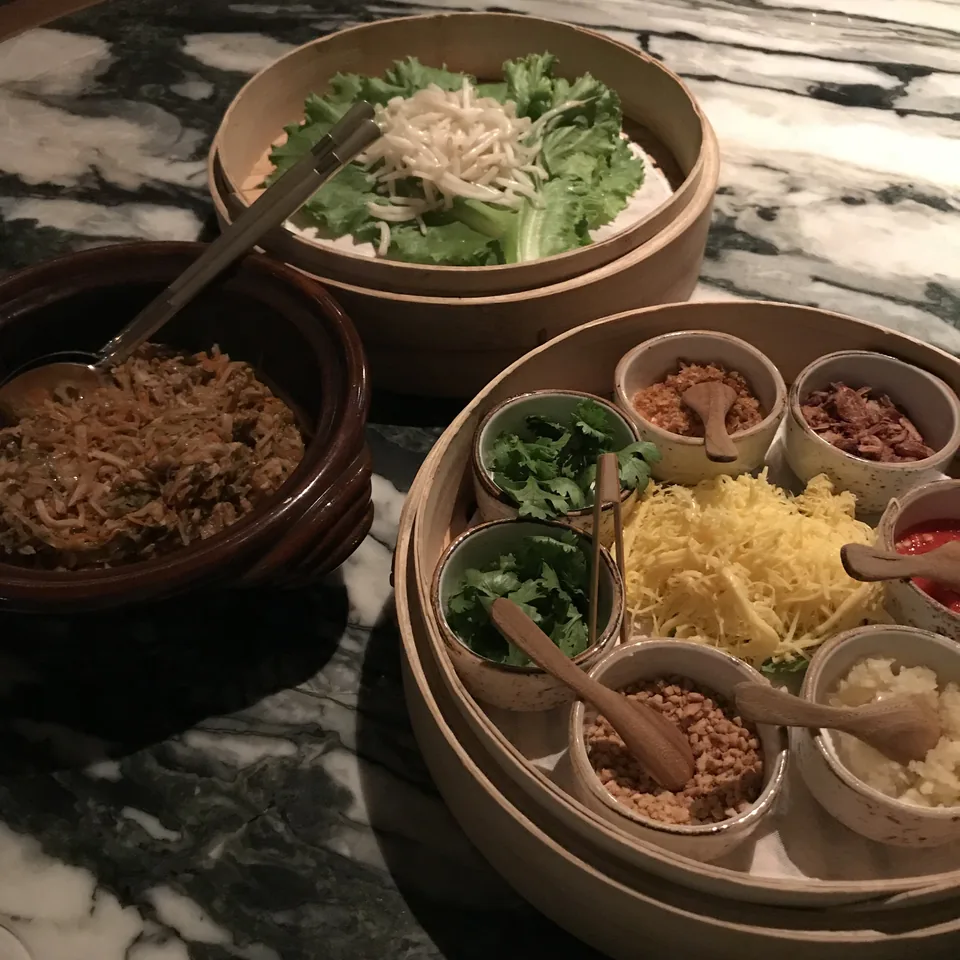
The kitchen cooks Singaporean, and it does the thing that is hard: it takes dishes everybody in the city already has an opinion about and makes them carefully, with no attempt at cleverness. The popiah is the signature and it arrives as parts. A stack of thin wrappers, and a tray of small bowls, turnip and bean, egg, peanut, coriander, chilli, with a wooden spoon in each. You build your own at the table, badly the first time.
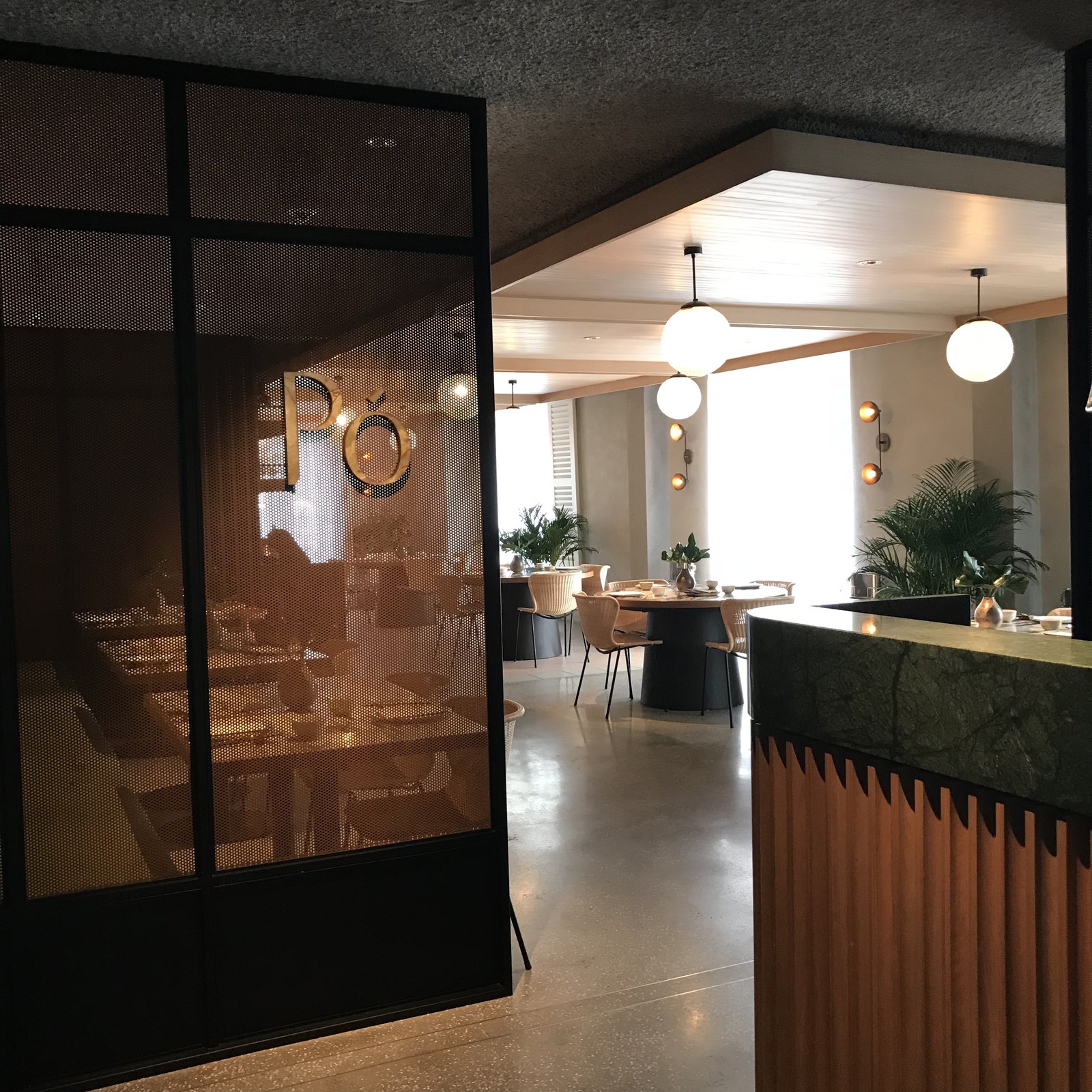
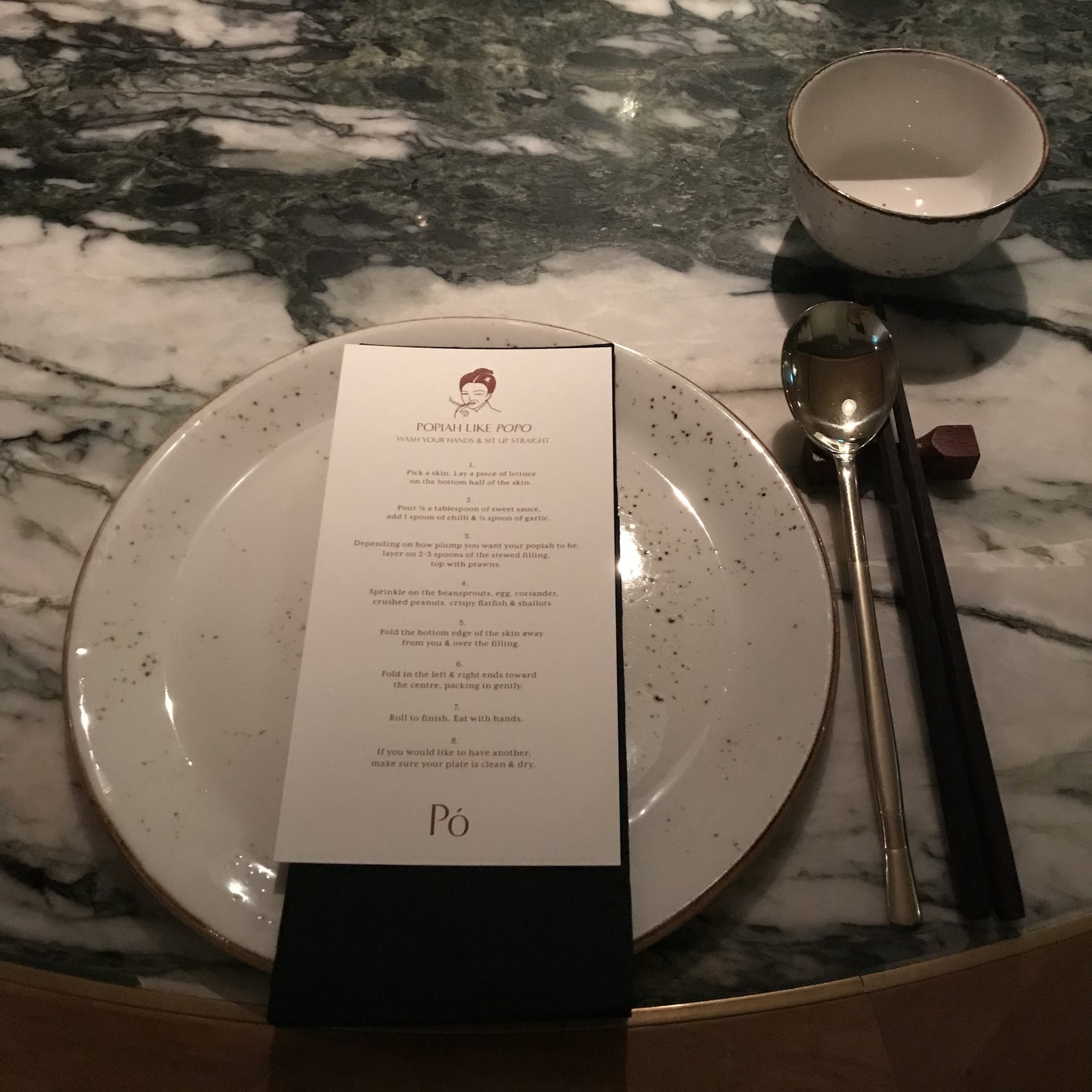
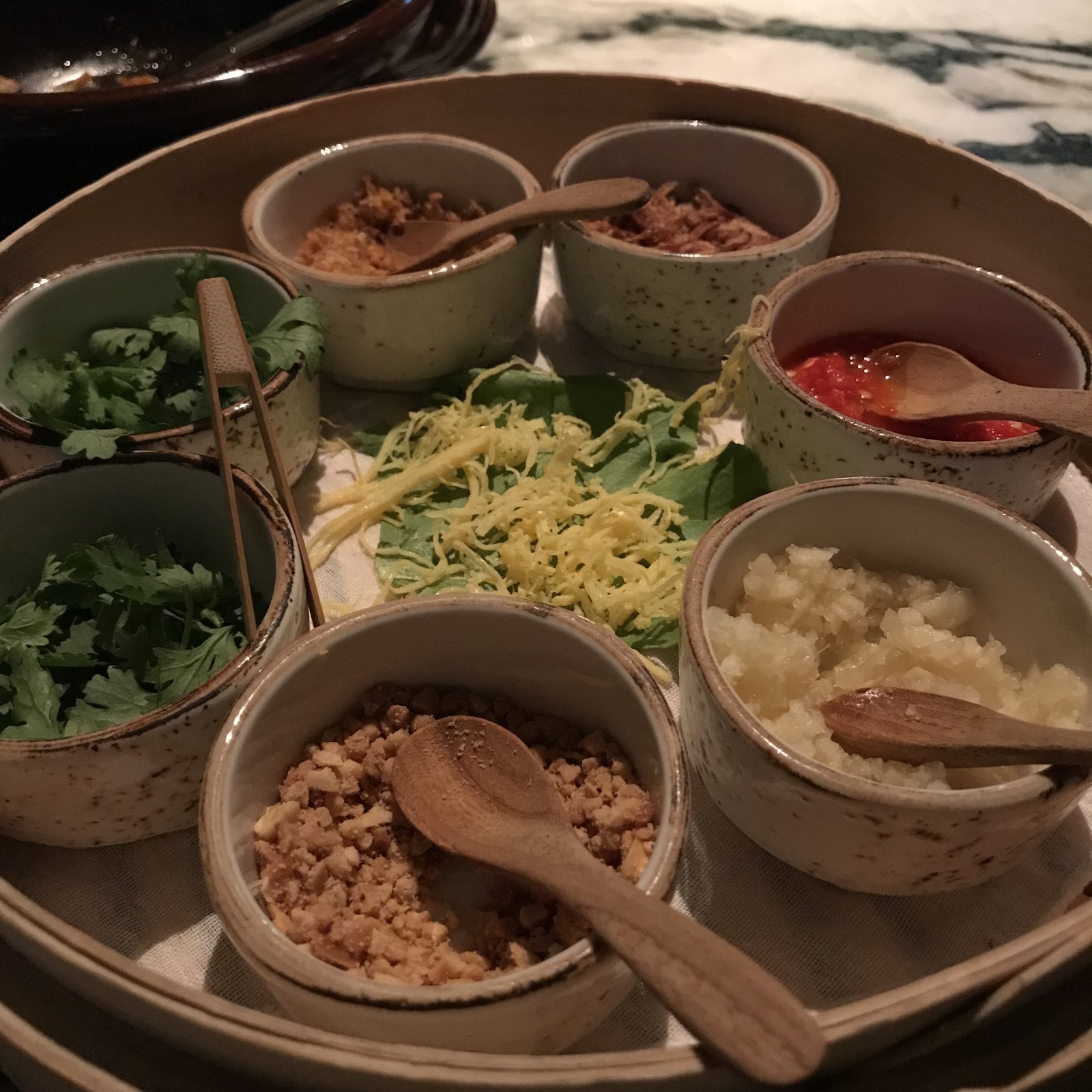
There is a hokkien mee done with a seafood and pork-bone broth, prawns and roast pork, and it is the other thing to order. The rest of the menu moves around. What stays is the approach, which is local and unapologetic in a building that spent a century handling what came off the river.
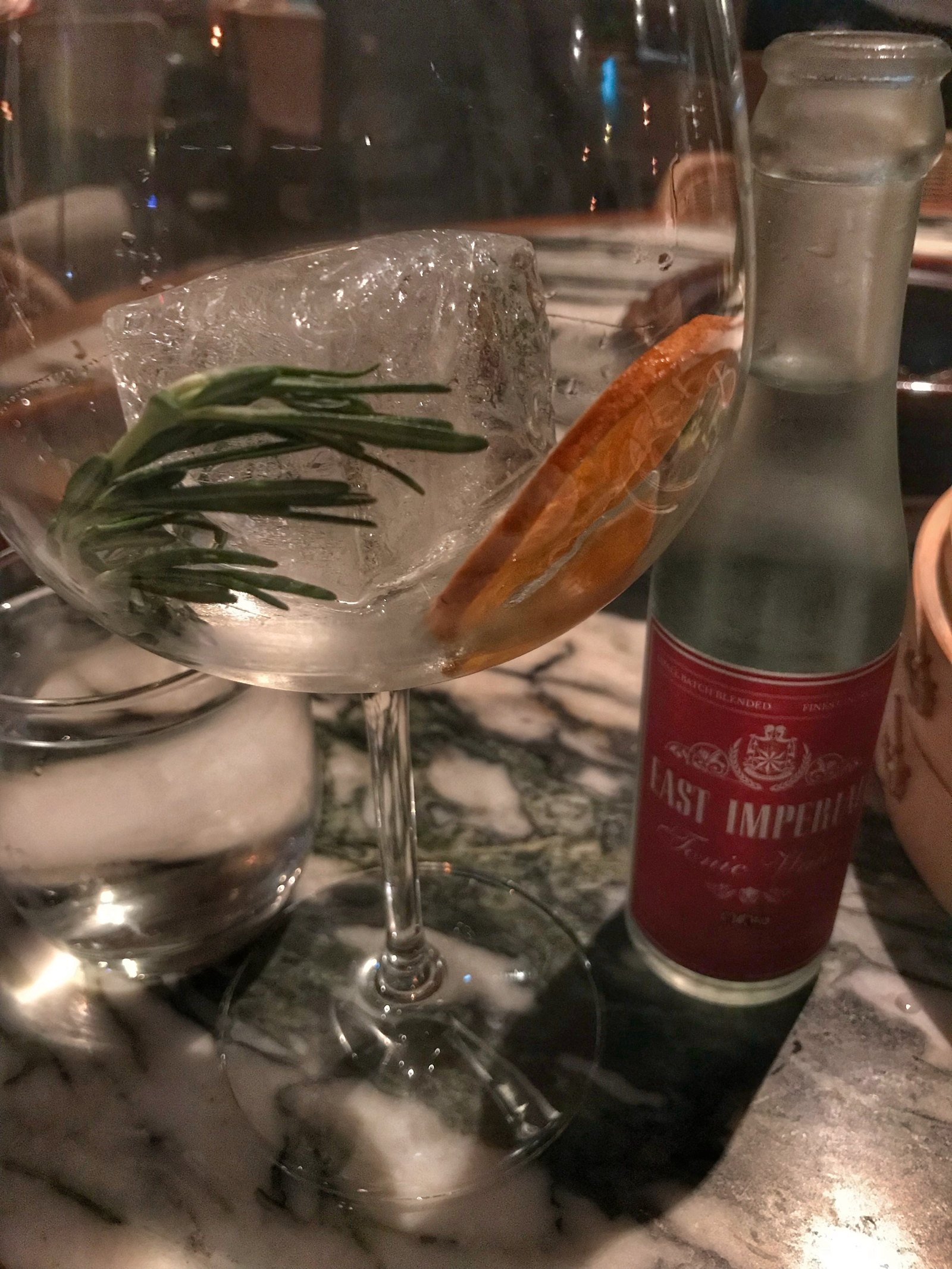
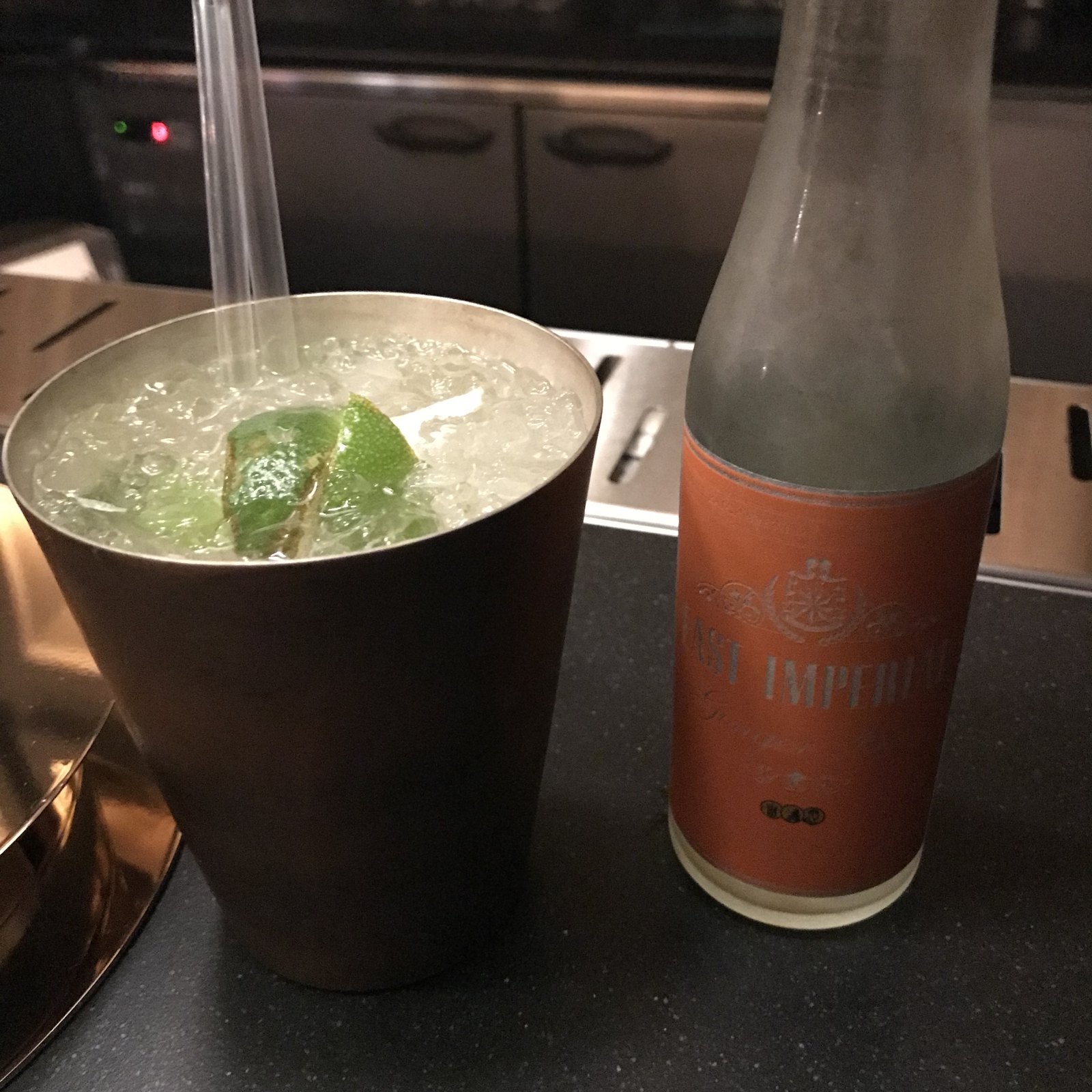
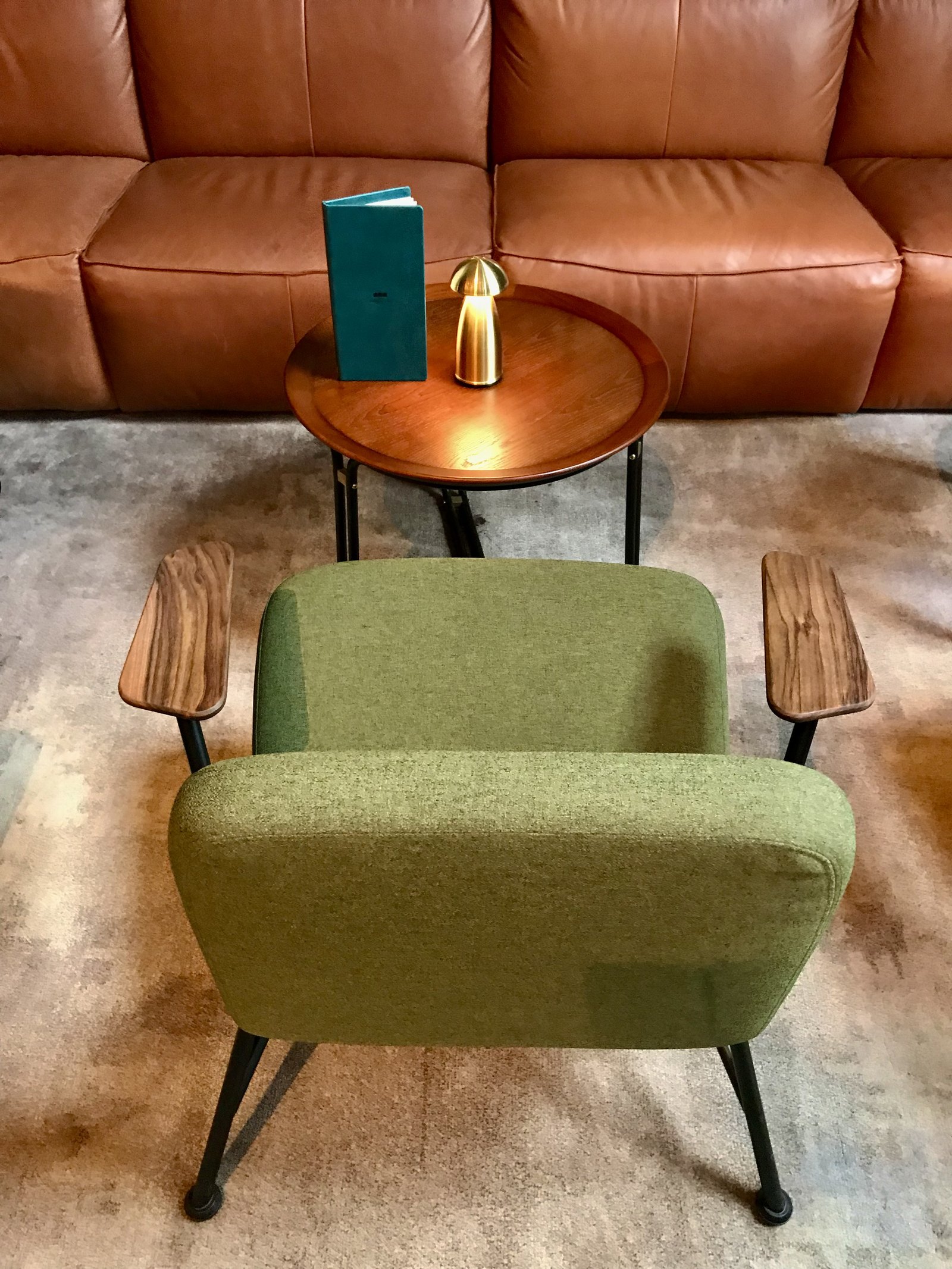
The drinks are organised around dates in the building's life, the trading years and the disco years, which in most hotels would be a theme and here is just the truth told in another form. The room is open late, it fills with people who are not staying upstairs, and that last part is what separates a hotel bar from a bar.
What I would tell you before you book
Book the room by its name. The gap between a River View Room and a Warehouse Sanctuary is a window, and both are ground-floor entry categories on the same screen.
Come for the building and the neighbourhood, and do not come expecting a resort. Thirty-seven rooms buy you a restaurant, a bar and a small roof pool, and the rest of your evening is outside on Robertson Quay, where it should be.
Eat at Po once, at least. It would be an easy thing to skip in a city this good at food, and it would be a mistake.
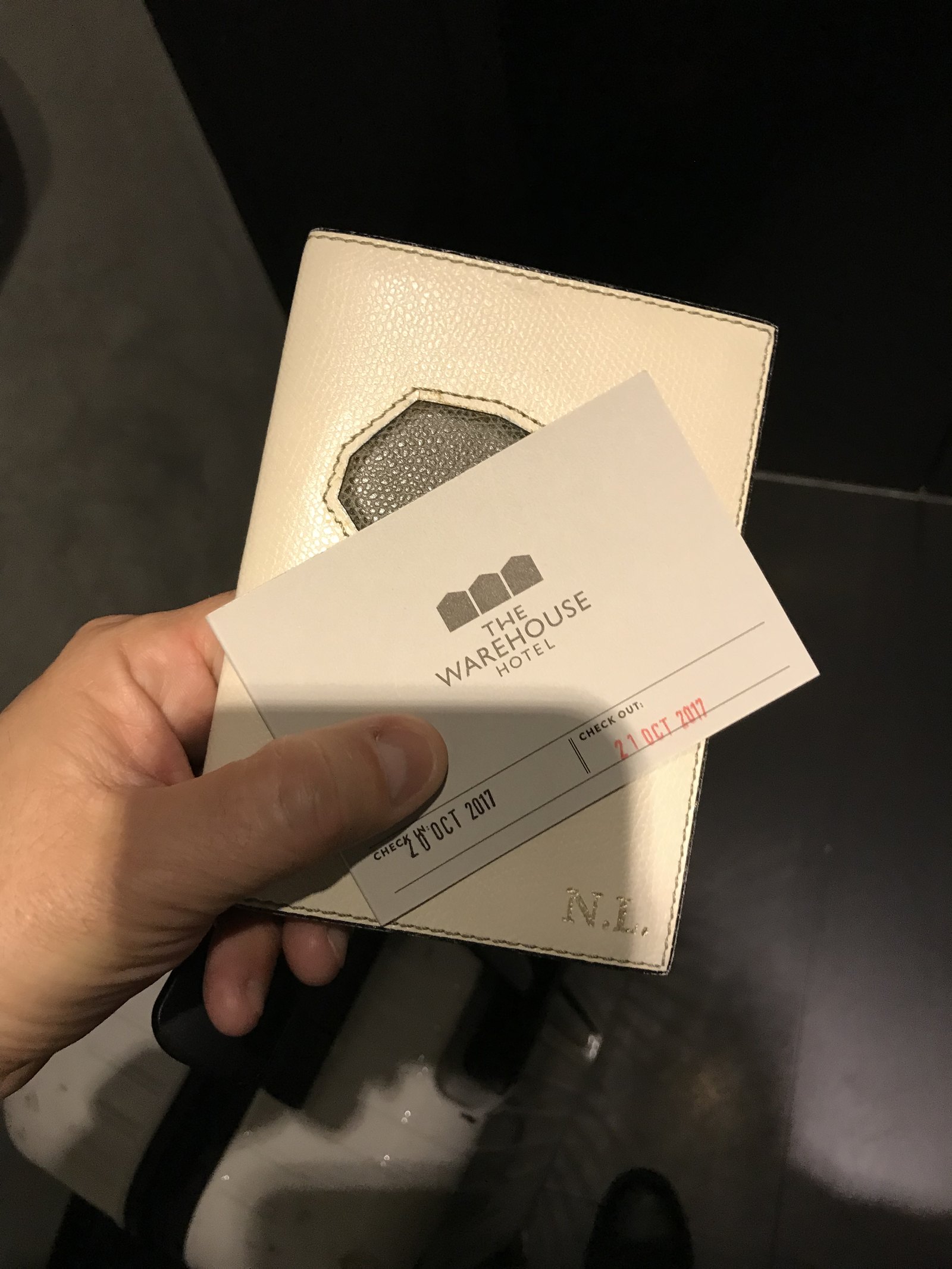
One night, one dinner, in October. I know what the building is and what the kitchen can do. I did not swim, I did not have breakfast, and I have not seen the upper categories, so those are holes and I have left them as holes.
Where it is
320 Havelock Road, Robertson Quay, on the Singapore River. Fifteen minutes on foot to Clarke Quay, twenty-five to Marina Bay. This house is not on Classic Travel. I read the full Singapore listing on the portal, thirty-five properties on one page, and it is not among them, so there is no agent rate, no breakfast attached, no credit and no upgrade in the programme sense, and I will not pretend otherwise. It books through me directly instead: send me your dates and the room category you want, and I will write to the hotel, ask what they will do for a guest arriving introduced, and tell you the answer before you commit to anything.
Before you book
The questions people send me about The Warehouse.
- Where is it, and is Robertson Quay a good base?
- 320 Havelock Road, on the Singapore River at Robertson Quay. It is a riverside neighbourhood of restaurants, bars and apartment blocks, about fifteen minutes on foot to Clarke Quay and twenty-five to the Marina Bay waterfront, with Chinatown a short taxi away. It is a good base for a second or third visit to Singapore, when you have already done the skyline and would rather eat well and walk home. For a first visit, if being inside the postcard matters to you, Marina Bay is the address and I will say so.
- What is the building, and why does that matter?
- It was built in 1895 as a godown, a riverside warehouse, in a stretch that ran on trade, distilleries and whatever else the river carried. It was a disco in the nineteen-eighties. It opened as a hotel in January 2017 under The Lo & Behold Group, with interiors by Asylum and architecture by Zarch Collaboratives, and the conversion left the structure visible and did not dress over it. It matters because the character of the place is the building and not a theme applied to it. The trusses, the brick and the pulleys are the reason to choose this over a smarter room elsewhere.
- Which room should I book?
- The categories here are genuinely different from one another and the names do the work, so book the name. I had a River View Room: thirty-four square metres, ground floor, king bed, the bathroom behind a black steel and glass screen that lets the light through. Above it there are River View Lofts with the high ceilings, a River View Mezzanine with a reading library, and a larger River View Suite. At the other end there is a Warehouse Sanctuary, which is a ground-floor room with no window at all and ambient light instead. That last one is the trap when you are comparing entry prices on a screen. Tell me which you want and I will confirm it in writing.
- Is there a pool?
- There is, on the roof, glass-sided, and small in the way a thirty-seven room hotel's pool is small. I did not swim in it, because I had one night and I spent the evening downstairs, so take that as a gap in this page and not as a verdict. It is a place to cool off between walks in a climate that asks for one. It is not a reason to book the hotel, and nobody at the hotel suggests it is.
- Is breakfast included, and what is it like?
- Breakfast is at Po, and whether it comes with the rate depends on the rate, so check that line before you book. It is cooked to order from a menu and not a buffet under lamps, which at this size is the sensible way to do it. I ate dinner at Po and not breakfast, so I can tell you what the room is like at night and what the kitchen is capable of, and the morning is somebody else's report.
- Can you book it through Classic Travel?
- No, and I checked properly. The Singapore listing on the portal prints every property Classic Travel sells in the city on one page, thirty-five of them, and The Warehouse is not on it. So there is no preferred rate, no breakfast attached, no credit and no upgrade in the programme sense, and anyone who tells you otherwise for this hotel is guessing. It books through me directly: I write to the hotel, name your dates and the room, and ask. Some houses outside the programmes will still do something for a guest who arrives introduced, and some will not, and I will tell you which this one turns out to be, and I will find out before I promise anything.
Something else you want to know? Write to me and I will answer it here.
Arranged by hand
The room, the dates, the rest of the list.
Write in English, Italian or Spanish. I answer personally, usually within a day.
Let Nik arrange it →